Karbala Series Part I: The Holy Land of Prophecies and Miracles

Updated: Jul 3
بِسْمِ اللَّهِ الرَّحْمٰنِ الرَّحِيمِ
In this article, we want to highlight the speciality of Karbala by highlighting that it's occurrence was prophecised by the Holy Prophet (SAW) over 60 years in advance of its occurence, and that after it occurred divine miracles across the world. We also want to shed light on why Karbala is considered Holy in the Shi'a school of thought.
Reports of: Umm Salamah - Imam Ali - Anas - Aisha - Ibn Abbas - Abi Umamah |
The Prophecy of Karbala
One of the strongest proofs of Muhammad's (SAW) prophethood is the prophecy of Karbala. No ordinary person can know the future, so if a prediction comes true in specific detail, that points to a divine source of knowledge, not a lucky guess like vaguer prophecies people usually cite.
It's also unreasonable to think Muslims invented this. The story doesn't flatter the Muslim community, it shows them failing to protect the Prophet's own grandson. People don't fabricate stories that shame them; they fabricate ones that glorify them. This makes it acceptable due to the criterion of embarrassment.
And it's not isolated to one source: it appears independently in both Sunni and Shia traditions, two groups that historically diverged and didn't copy from each other, meaning neither could have planted it alone.
Reports of Umm Salamah
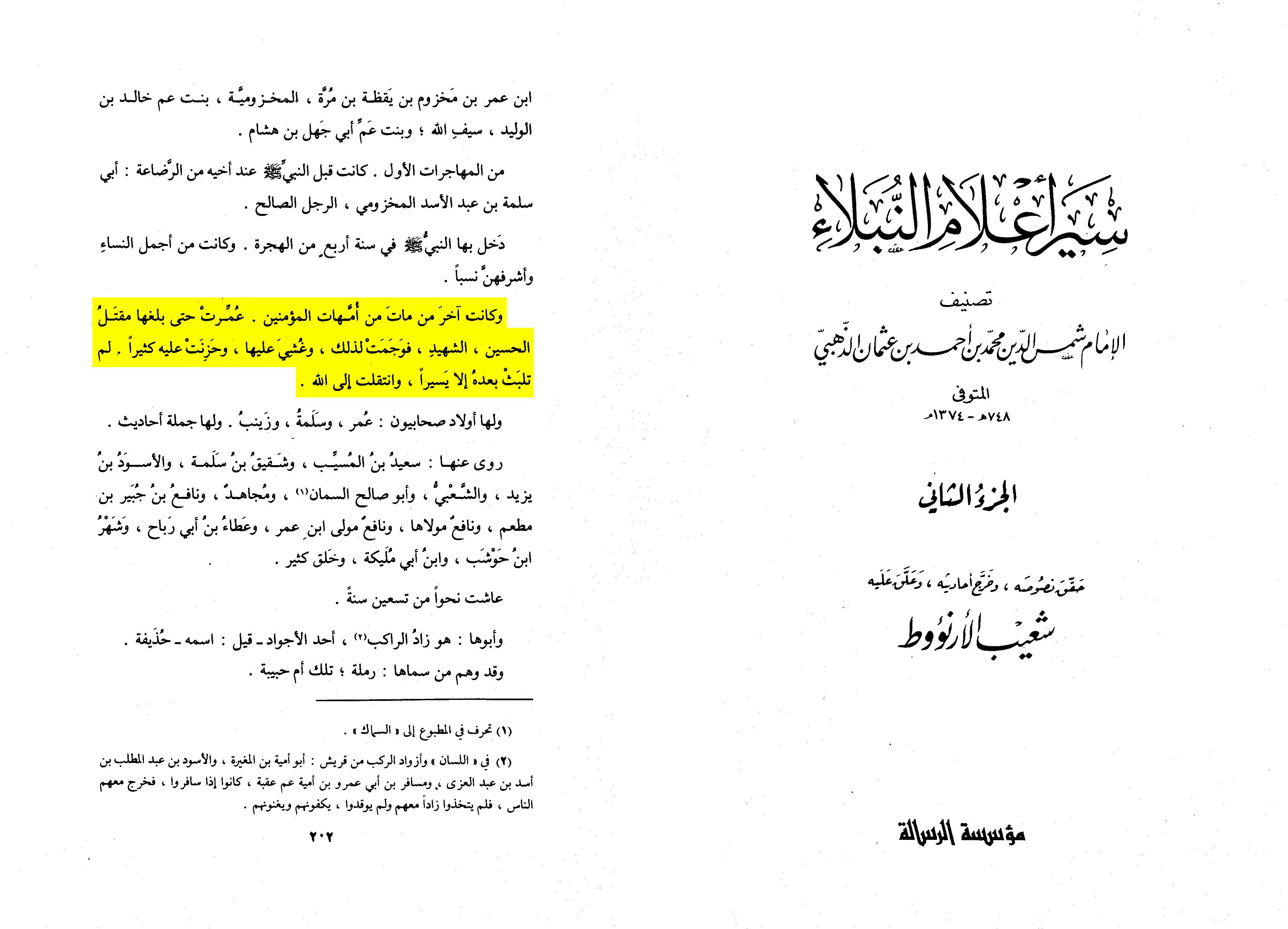
Umm al-Mu’mineen Umm Salamah (SA) is the most prolific narrator of this prophecy. She lived long enough to witness the event of Karbala, and died closely after the year 60 AH as confirmed by al-Dhahabi in Siyar A'lam al-Nubala, Vol. 2, pg. 202:
She was the last of the Mothers of the Believers to die. She lived until the news of the killing of Husayn, the martyr, reached her, and she was struck with grief, lost consciousness, and mourned him greatly. She did not remain long after him before she returned to Allah SWT.
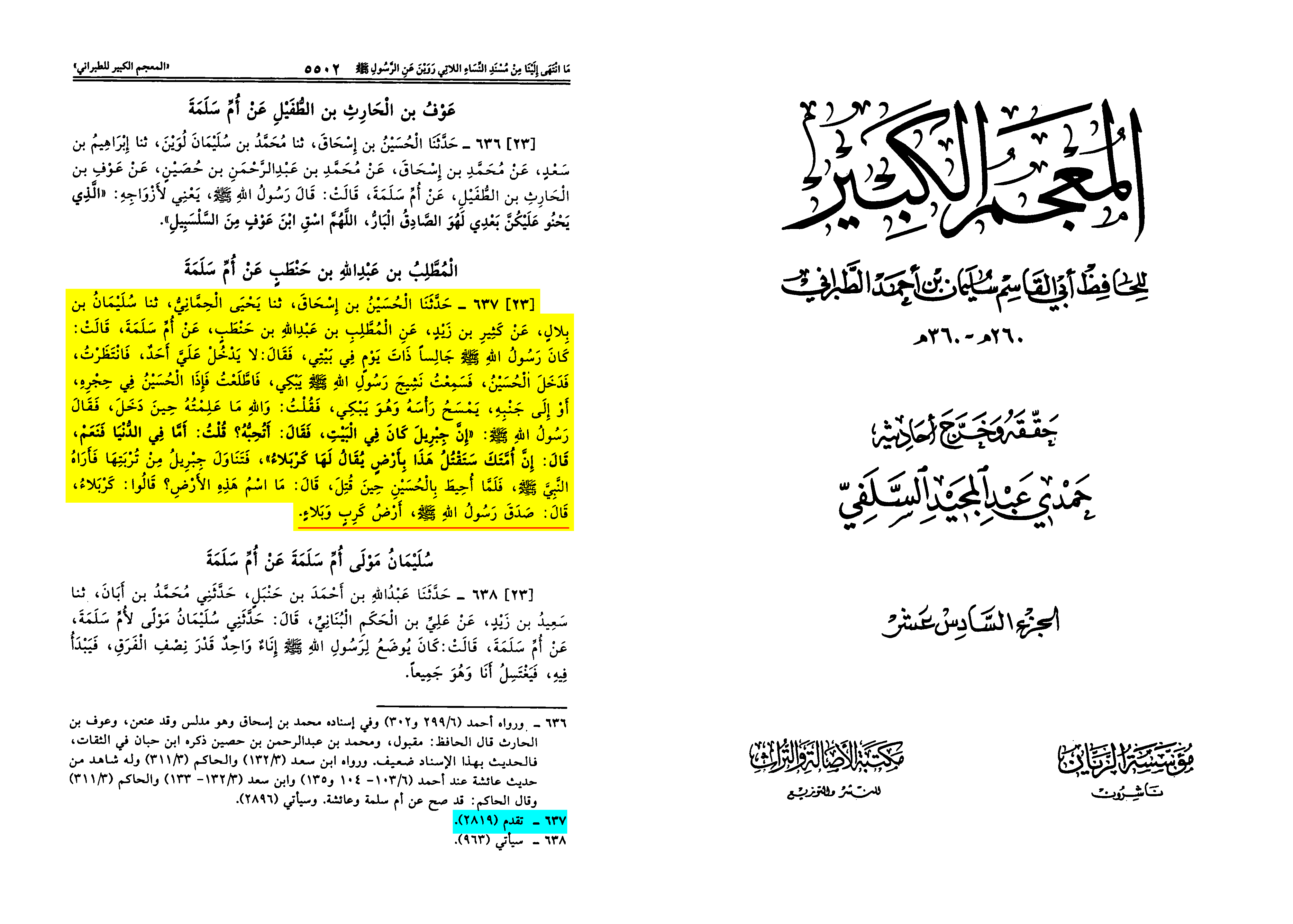
It was narrated on the authority of Umm Salamah (SA) in al-Tabarani’s Mu'jam al-Kabir Vol 16, pg. 5502, Hadith # 637:
Umm Salamah said: One day the Messenger of Allah ﷺ was sitting in my house and he said: “Do not let anyone enter upon me.”
I waited, then al-Husayn entered. I then heard the sobbing of the Messenger of Allah ﷺ as he wept. I looked, and behold, al-Husayn was in his lap, or beside him, while he was stroking his head and weeping.
I said: “By Allah, I did not realize when he entered.” The Messenger of Allah ﷺ said: “Jibril was in the house and he asked me: ‘Do you love him?’
I replied: ‘Yes, in this world I do.’ He said: ‘Indeed, your community will kill him in a land called Karbala.’ Then Jibril took from its soil and showed it to the Prophet.”
When al-Husayn was later surrounded at the time of his killing, he asked: “What is the name of this land?” They replied: “Karbala.” He said: “The Messenger of Allah spoke the truth—land of grief and tribulation.”
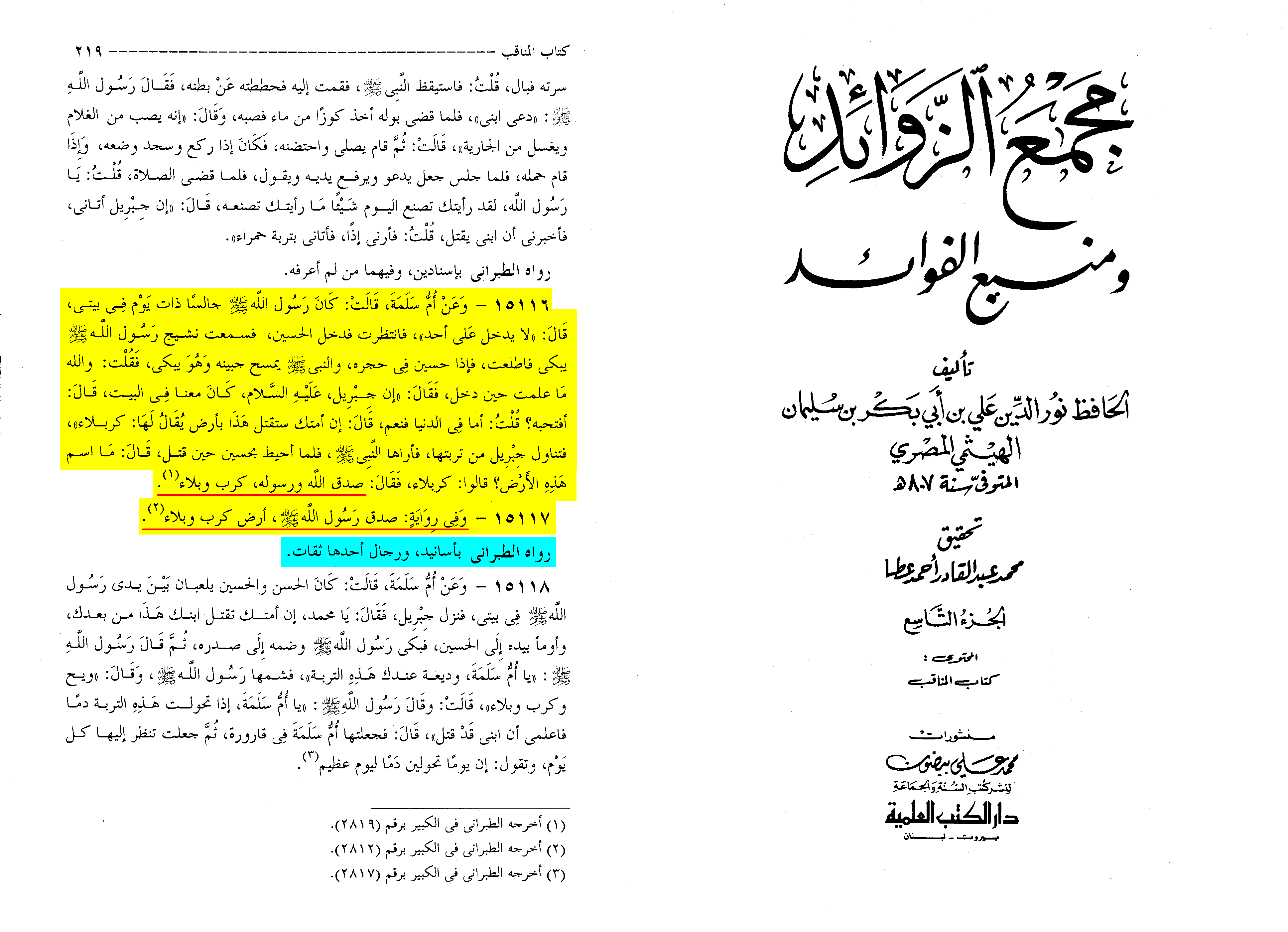
The narrators of this report have been certified by al-Haythami in Majma al-Zawa’id Vol 9, pg. 219, Hadith # 15116 - 15117.
Further chains for this report can be found in:
Ahmad b. Hanbal’s Fada’il al-Sahaba Vol 2, pg. 782, Hadith # 1391 (Authenticated in the footnote)
Ibn Sa'ad’s Tabaqat al-Kubra Vol 1, pg. 428, Hadith # 416 (Authenticated in the footnote)
A third independent chain is also found in:
Ibn Abi A'sim’s Ahad wal-Mathani Vol 1, pg. 310, Hadith # 429.
Al-Hakim’s Mustadrak ‘ala al-Sahihain Vol 4, pg. 440, Hadith # 8202 by al-Dhahabi.
Ibn Tuhman’s Mashaykha Ibn Tuhman, pg. 55, Hadith # 3 and the editor states the tradition is ‘Hasan’.
Reports of Imam Ali
The second most popular variant of this report is the one transmitted on the authority of Ali b. Abi Talib (AS), when he came to Naynawa in Iraq and recalled this prophecy.
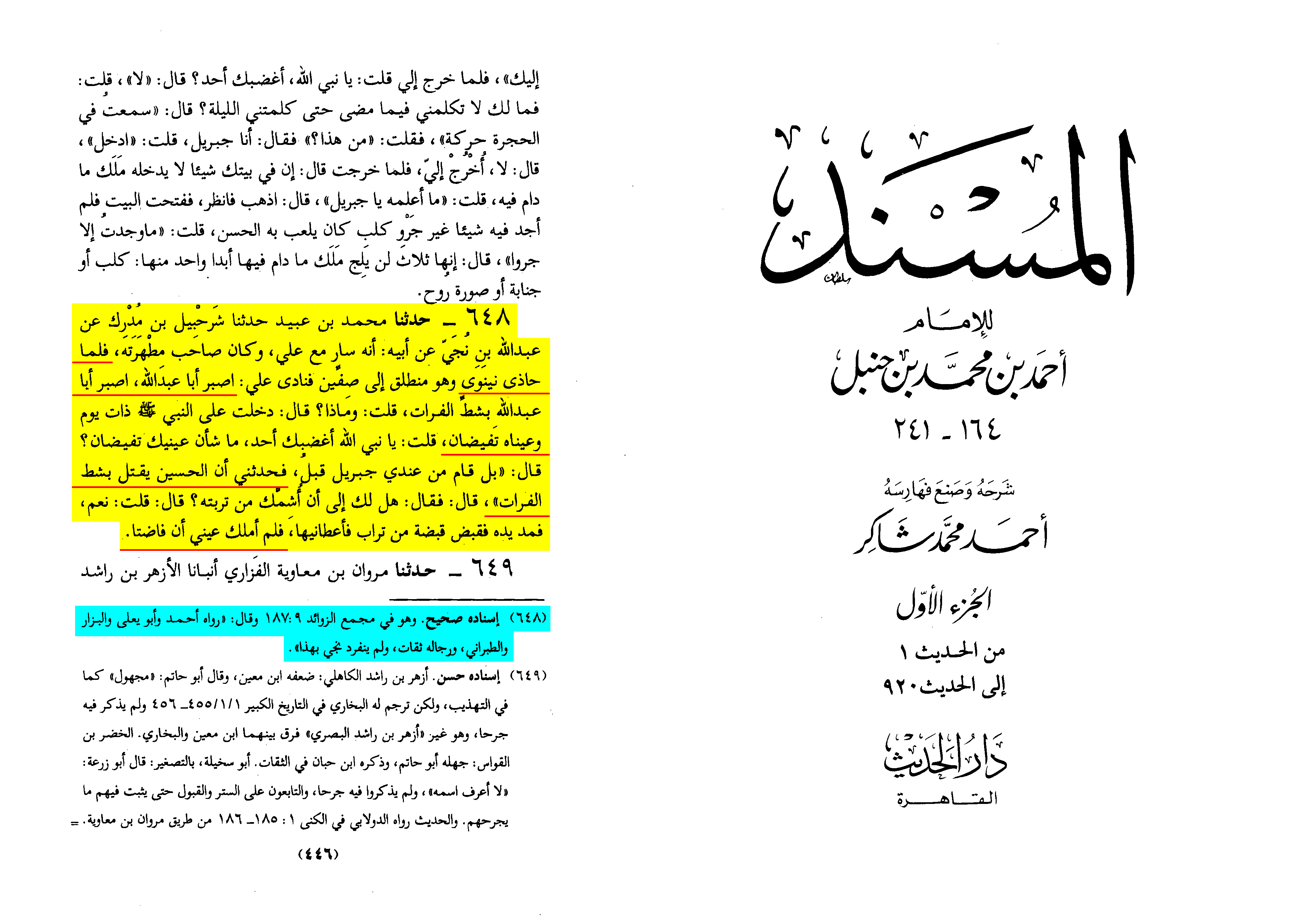
It was recorded in Musnad Ahmad b. Hanbal, Vol. 1, pg. 446, Hadith # 648 and authenticated by Ahmad Shakir:
From Abdullah b. Nujayh, from his father:
He said: I traveled with Ali, and I was the one who carried his ablution vessel. When we came near Ninawa on his way to Siffin, Ali called out: “Be patient, O Aba Abdillah, be patient, O Abdullah, by the bank of the Euphrates.”
I asked: “What is it?” He said: “I once entered upon the Prophet of God, and his eyes were overflowing with tears. I said: ‘O Prophet of God, has someone angered you? Why are your eyes overflowing with tears?’
He said: ‘Just now Gabriel was here with me. He told me that al-Husayn will be killed by the bank of the Euphrates.’
Then he said: ‘Would you like me to let you smell the soil from where he will be killed?’
I said: ‘Yes.’ So he reached out his hand, took a handful of soil, and gave it to me. I could not control my eyes until they overflowed with tears.”
It's also found and graded as following in these sources:
‘Thabit’ in Musannaf Ibn Abi Shayba: Vol 21, pg. 146, Hadith # 38522 by Dr. Muhammad A’wama.
‘Hasan’ in Musnad Abi Ya'la Vol 1, pg. 298, Hadith # 103-(363) by Dr. Sulaym Asad.
‘Rijalahu Thiqat’ in Majma' al-Zawa'id, Vol. 9, pg. 217 -218, Hadith # 15112 by al-Haythami.
‘Sahih’ in al-Bidayah wal Nihayah, Vol. 11, pg. 571 - 572 by al-Turki.
Some attempt to weaken the last two narrators, however, the stronger opinion as seen by above is that they’re reliable.
Abdullah b. Nujayh is in Kitab al-Thiqat, pg. 282, Bio. # 899 by al-’Ijli and Kitab al-Thiqat Vol. 5, pg. 30 by Ibn Hibban. Ibn Hajar also says that al-Nasa’i called him Thiqah in Tahdhib, Vol. 3, pg. 685 and concludes him to be Saduq in his Taqrib pg. 552, Bio. # 3688.
His father is also in Kitab al-Thiqat, pg. 448, Bio. # 1685 by al-’Ijli and Kitab al-Thiqat Vol. 5, pg. 480 by Ibn Hibban and al-Bukhari mentions him in Tarikh al-Kabir without criticism. Ibn Hajar concludes that he is acceptable (maqbul) in his Taqrib pg. 998, Bio. # 7152.
It can also be seen from a report in Ansab al-Ashraf, Vol. 2, pg. 409:
Mujahid said: ʿAlī (AS) said in Kufa: “How will you be when the family of your Prophet comes to you?”
They said: “We will do this and that (i.e., show loyalty and support).”
He shook his head and said: “Rather, you will be brought forth, then turned away, and you will not return. Then you will seek dissociation (from your deed), but there will be no dissociation for you.”
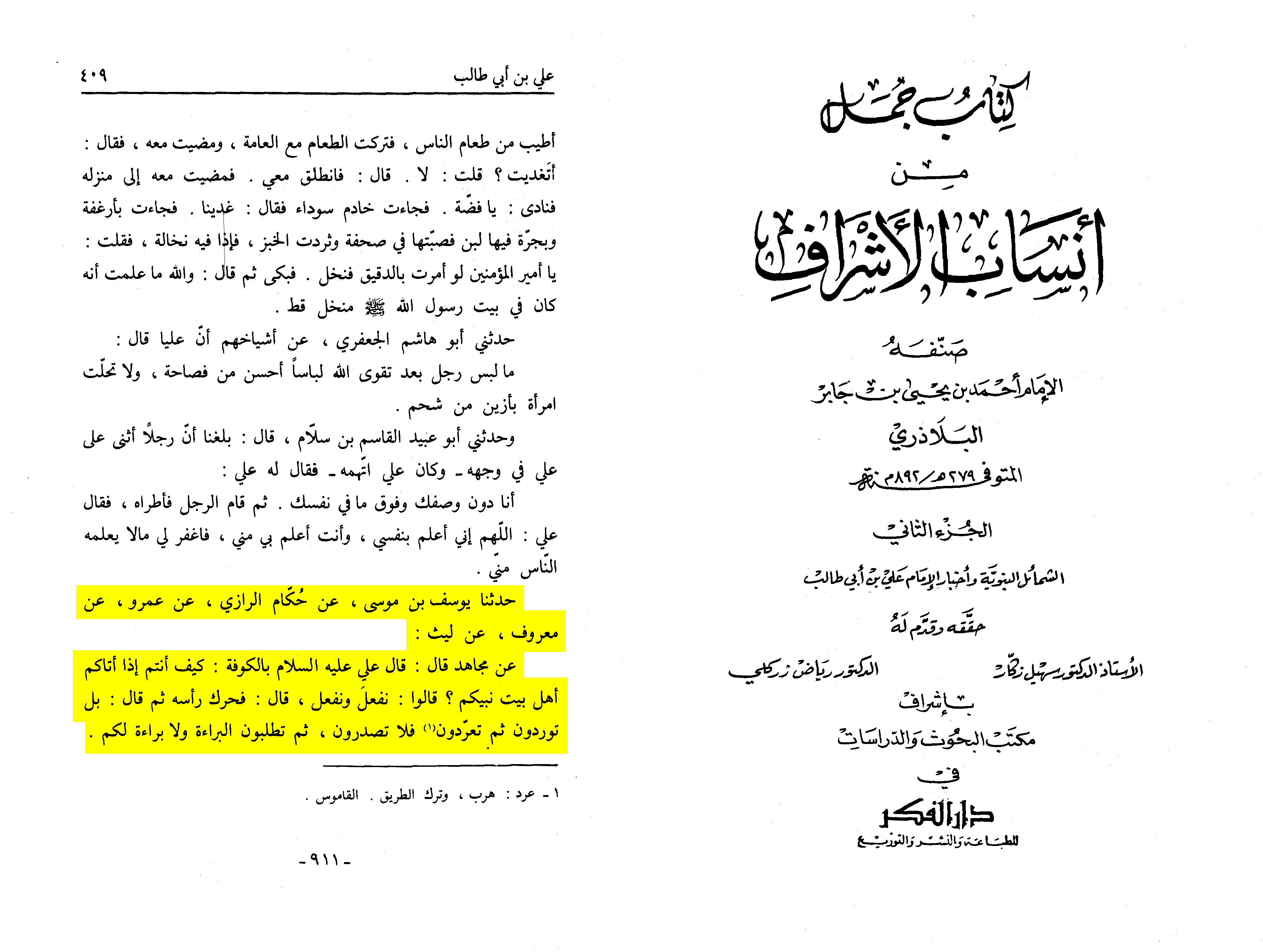
This is a clear indication of Karbala, and Ali’s speaking with confidence shows his knowledge of the unseen (ilm al-Ghayb).
A third independent chain goes back to Shayban b. Makhram in al-Mu'jam al-Kabir Vol. 2, pg. 703, Hadith # 2826:
Shayban b. Makhram said: I was with Ali, may God be pleased with him, when he came to Karbala. He said: “In this place martyrs will be killed, none like them are martyrs except the martyrs of Badr.”
So I said: “One of his lies.” There was the leg of a dead donkey there, so I said to my servant: “Take this donkey’s leg, fix it firmly in its place, and conceal it.”
Time passed, and when al-Husayn b. Ali, may God be pleased with them both, was killed, I went with some of my companions, and behold, the body of al-Husayn b. Ali was lying upon that donkey’s leg, and his companions had fallen around him.

Anas b. Malik
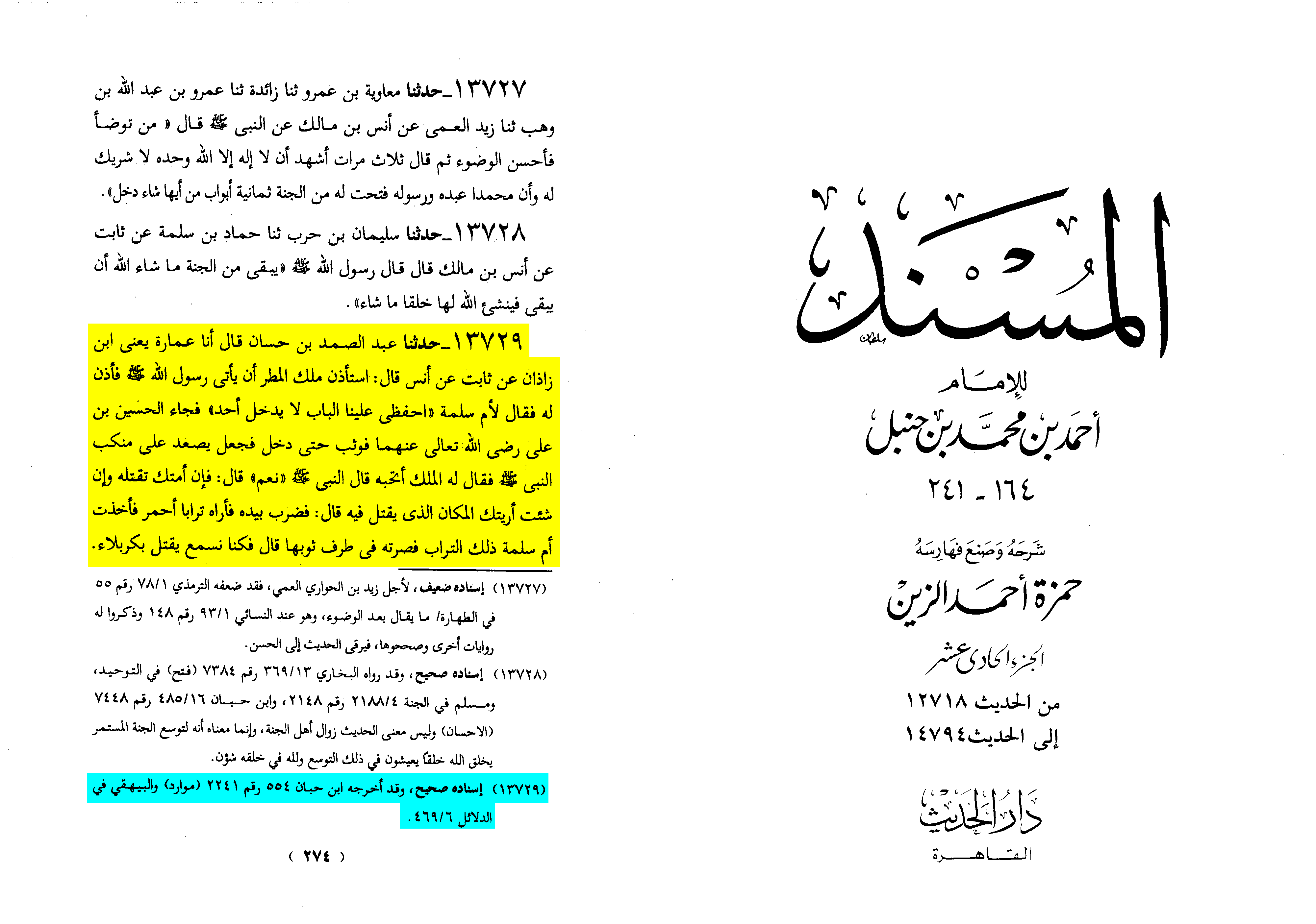
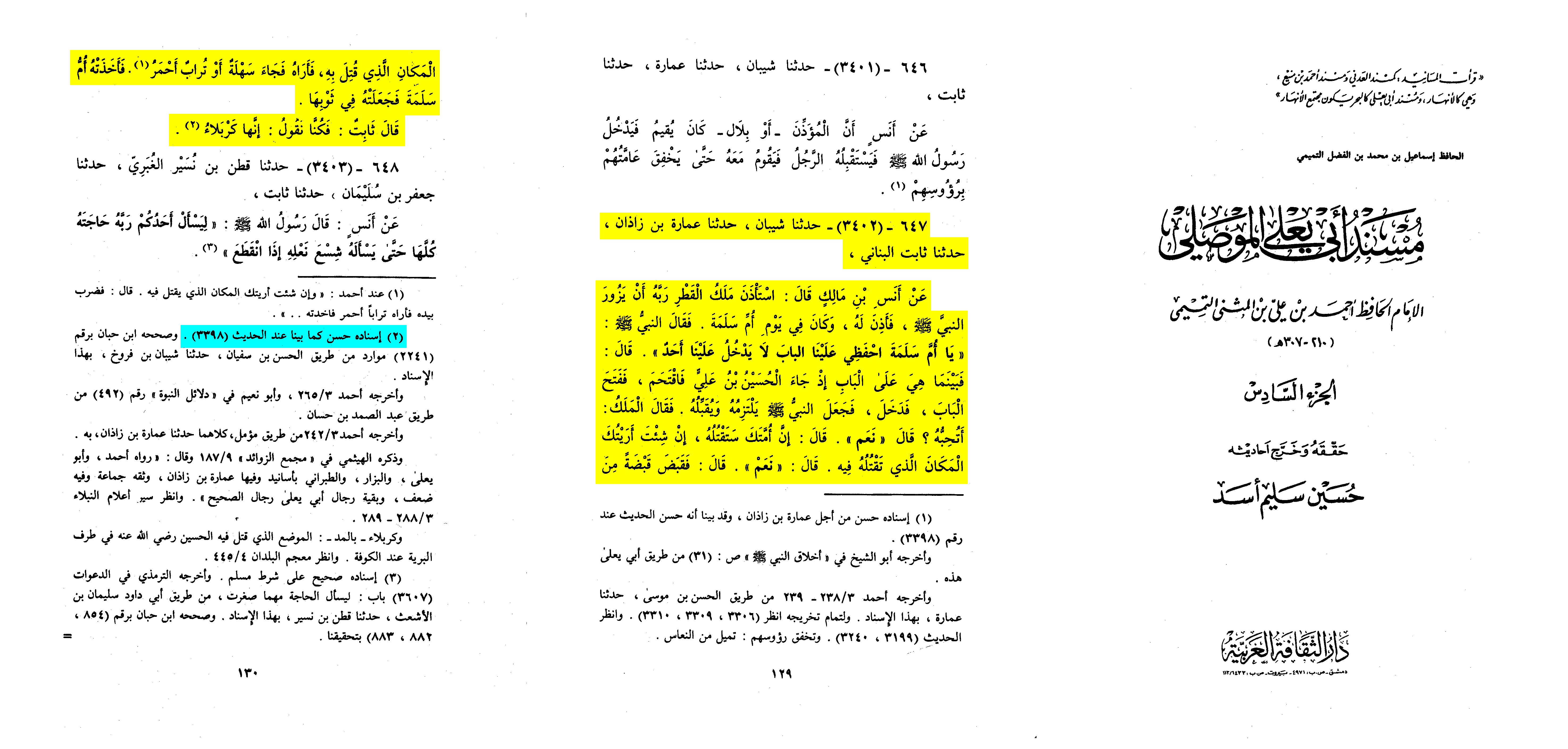
Anas also narrates the Angel informing the Prophet (SAW) of the martyrdom of al-Husayn (AS) in the house of Umm Salama (SA) in Musnad Ahmad b. Hanbal Vol. 11, pg. 274 Hadith # 13729 and in Musnad Abi Ya'la Vol. 6, pg. 129 - 130, Hadith #3402.
‘Aisha bt. Abu Bakr
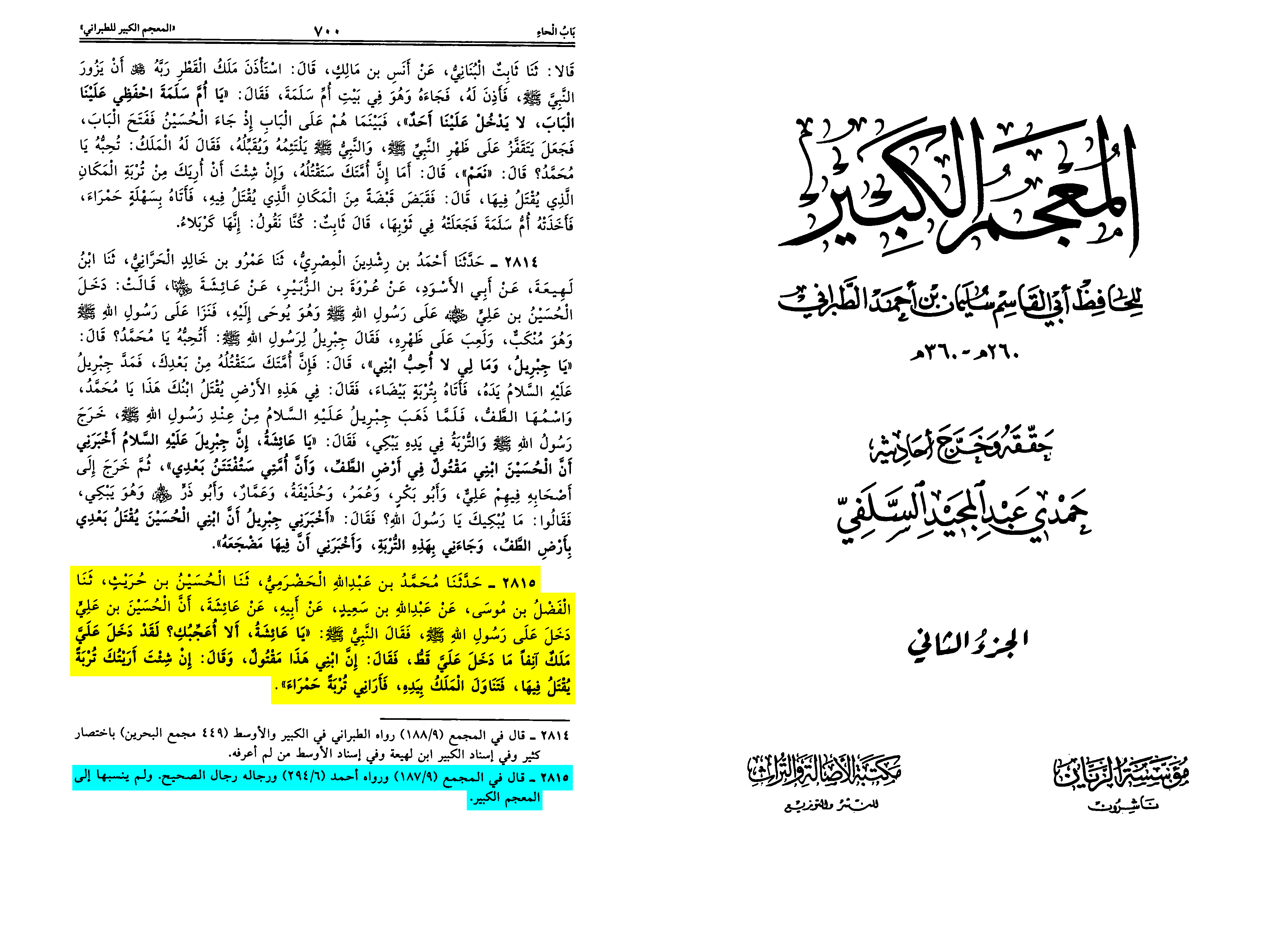
In a separate occasion, the Prophet (SAW) was in the house of A’isha, and also narrates this report in al-Mu’jam al-Kabir Vol 2, pg. 700, Hadith # 2815:
The Prophet said: “O Aisha, shall I not amaze you? Just now an angel entered upon me, the like of whom had never entered before.
He said: ‘This son of mine will be killed. If you wish, I will show you the soil in which he will be killed.’ Then the angel reached out with his hand and showed me red soil.”
Ibn Abbas
Ibn Abbas would narrate that after Karbala, he had a dream of the Prophet (SAW) mourning al-Husayn (AS). However, he also narrates that the Prophet informed him about this death prior to his martyrdom in Mustadrak al-Hakim, Vol. 3, pg. 197, Hadith #4826:
Ibn Abbas said: “We never doubted, while the members of the Household were many, that al-Ḥusayn b. ʿAlī would be killed at al-Ṭaff.”
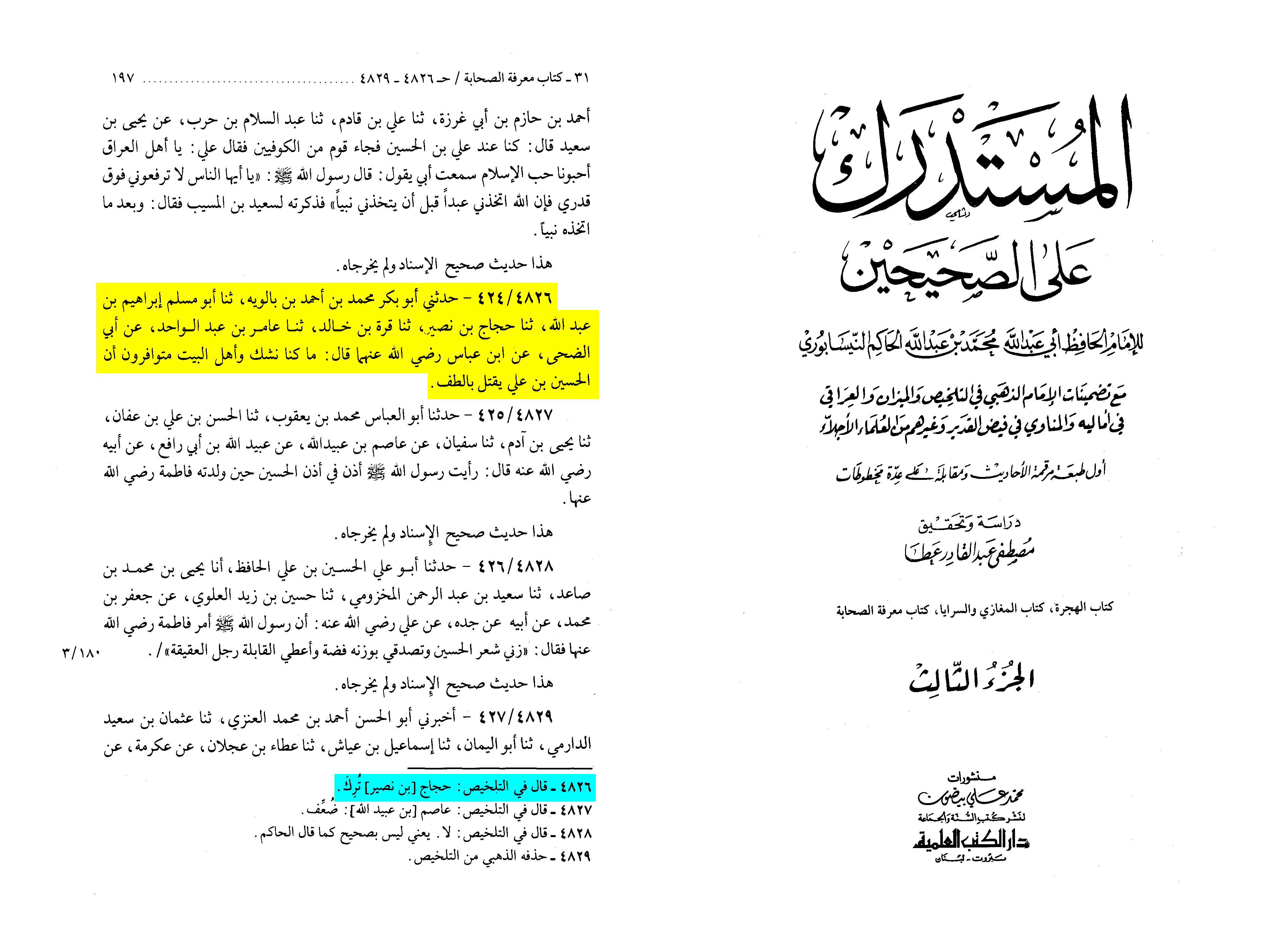
Al-Dhahabi weakens Hajjaj b. Nusayr in this chain, however other scholars authenticate him, such as: Ibn Hibban, Ibn Shaheen and Ibn Ma’een calls him ‘Saduq’.
Abi Umamah
A lesser known narrator of this incident is Abu Umamah, who also narrates this prophecy in the house of Umm Salamah (SA) in al-Mu’jam al-Kabir Vol 6 pg. 2116 - 2117, Hadith # 8096:
The Messenger of Allah ﷺ then came out, carrying al-Ḥusayn in his arms, with a saddened face, distressed. Umm Salama thought that he was upset because the child had entered. She said: “O Prophet of Allah, may I be your ransom, you told us not to weep over this child, and you ordered me not to let him enter upon you. Then he came, and I released him.”
But the Prophet did not respond to her. He went out to his companions, who were sitting. He said to them: “Indeed, my nation will kill this one.” Among them were Abū Bakr and ʿUmar, and they were the boldest of the group in speaking to him. They said: “O Prophet of Allah, will they kill him while they are believers?” He said: “Yes. And here is his soil,” and he showed it to them.
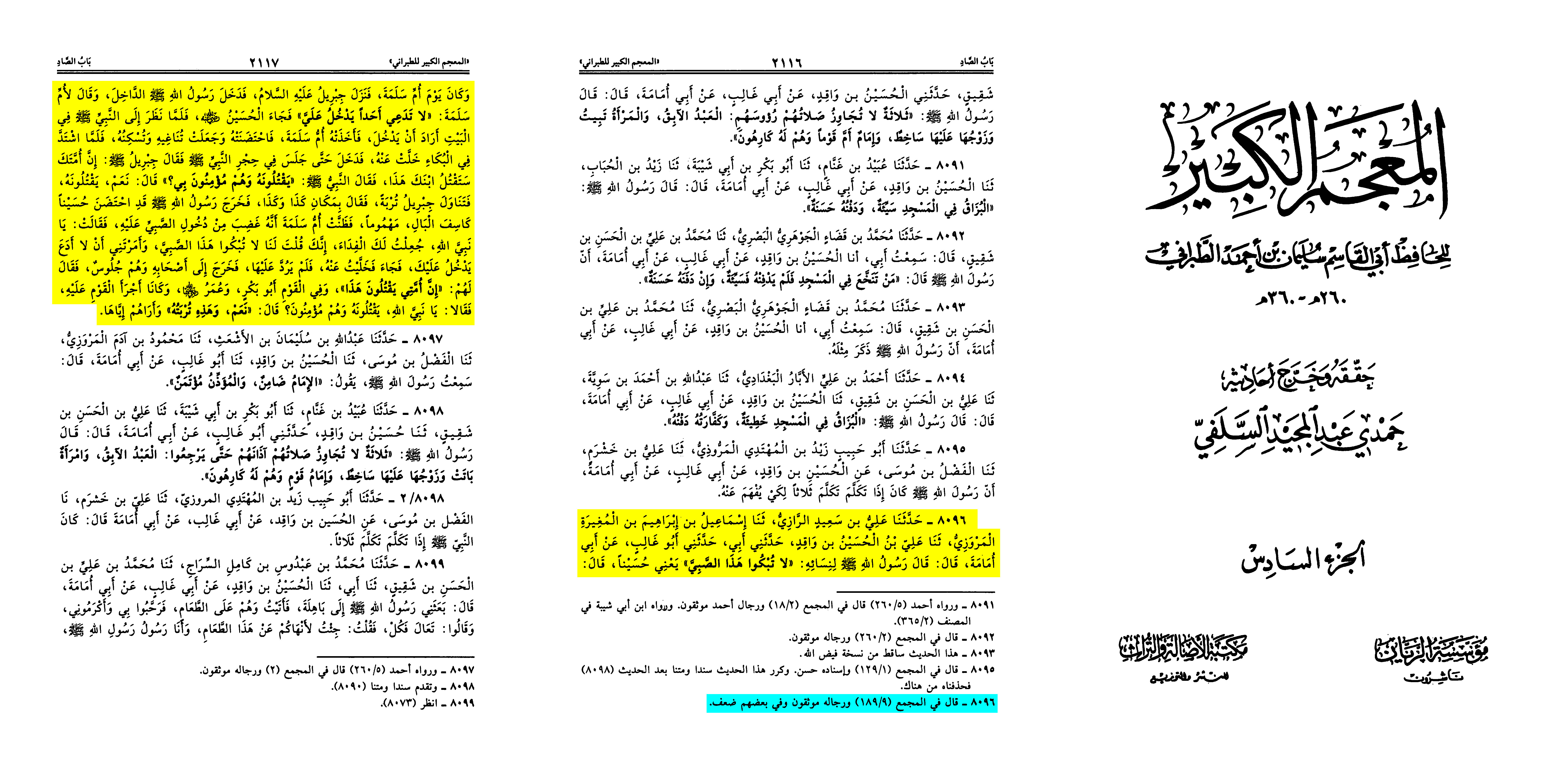
Al-Dhahabi grades it as ‘Hasan’ in Siyar A'lam al-Nubala Vol 3, pg. 289.
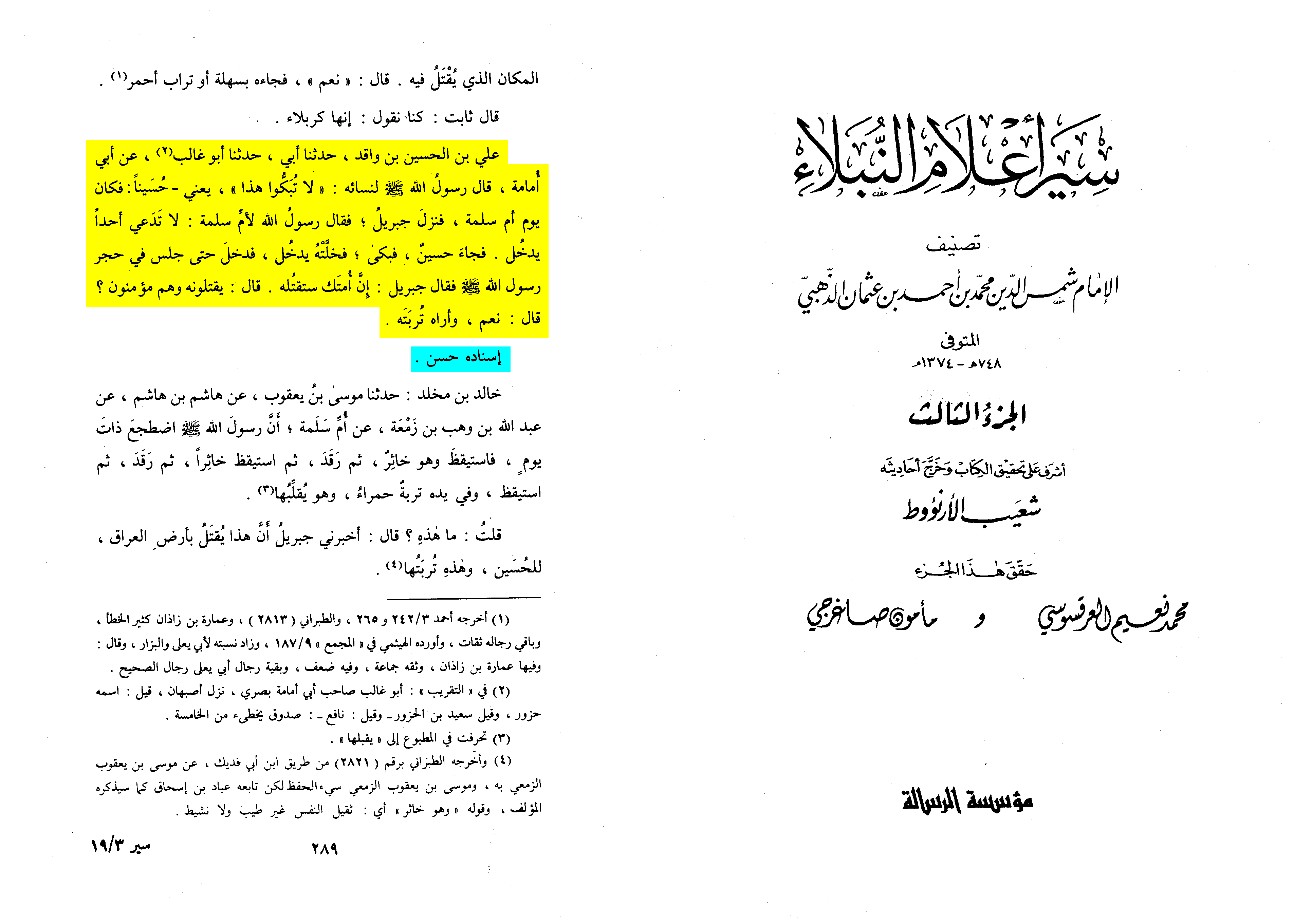
Many other companions narrated this incident and many more can be proven to have been aware of this prophecy, including Abu Bakr & Umar as Abi Umama's report shows. However, as we explained earlier, compiling them all here would be unnecessary.
Miracles of Karbala
A unique virtue of the Battle of Karbala is the presence of widespread miracles documented across the world. Imam al-Husayn (AS)’s death was so significant that Allah (SWT) presented His anger, disapproval and sacredness to this death through the illustrations of various miracles that took place. The most notable of them was the blood rains that took place across the world to notify them of the death of a sacred person.
We have set out to compile various sources across the Islamic world to show the authenticity of these miracles, but it is not an exhaustive list.
Accounts Recorded in Hijaz
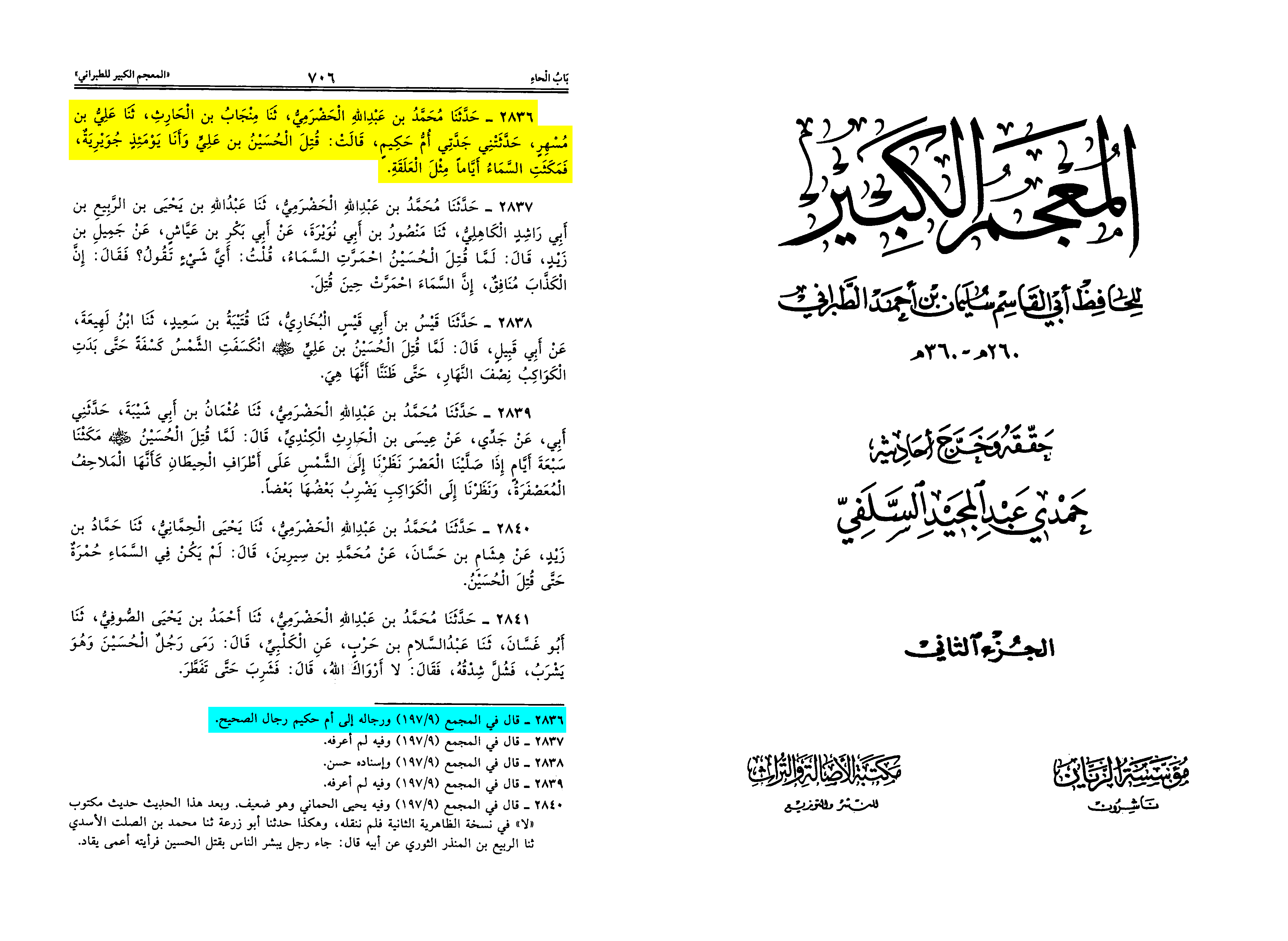
Umm Hakim bt. Harith al-Makhzumiyya was a companion of the Prophet (SAW) who died in Medina. Her report is found in Mu’jam al-Kabir Vol. 2, pg. 706, Hadith # 2836:
Umm Hakim: Husayn b. Ali was killed while I was a young girl that day, and the sky remained dark for days, like a clot.
Accounts Recorded in Basra
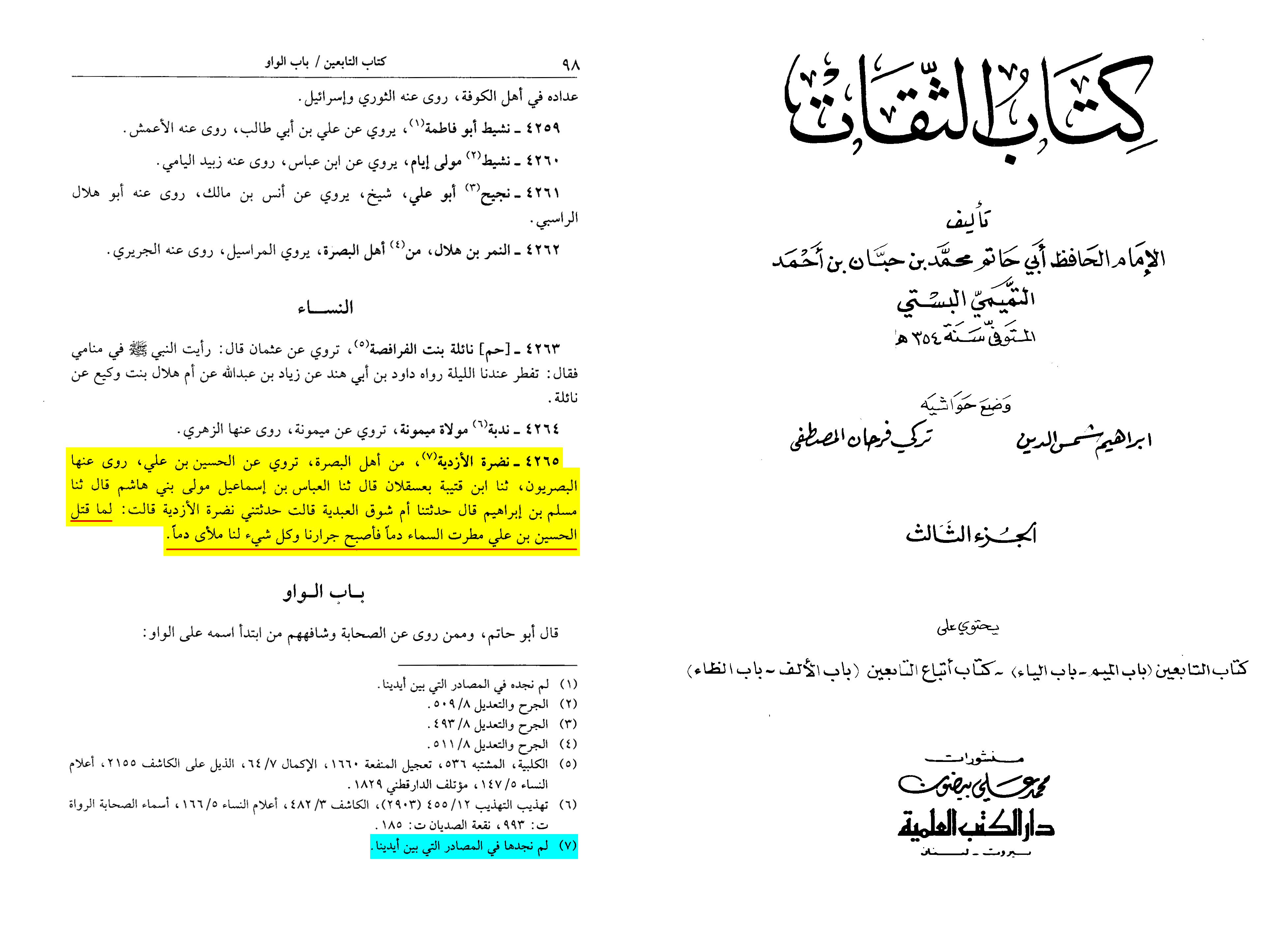
Nadhrat al-Azdiyyah was a Basran narrator, and she is recorded to narrate the following in Kitab al-Thiqat by Ibn Hibban, Vol. 3, pg. 98, Bio # 4265:
Nadhrat al-Azdiyyah said: “When al-Ḥusayn b. ʿAlī was killed, the sky rained blood. In the morning our jars and everything we owned were filled with blood.”
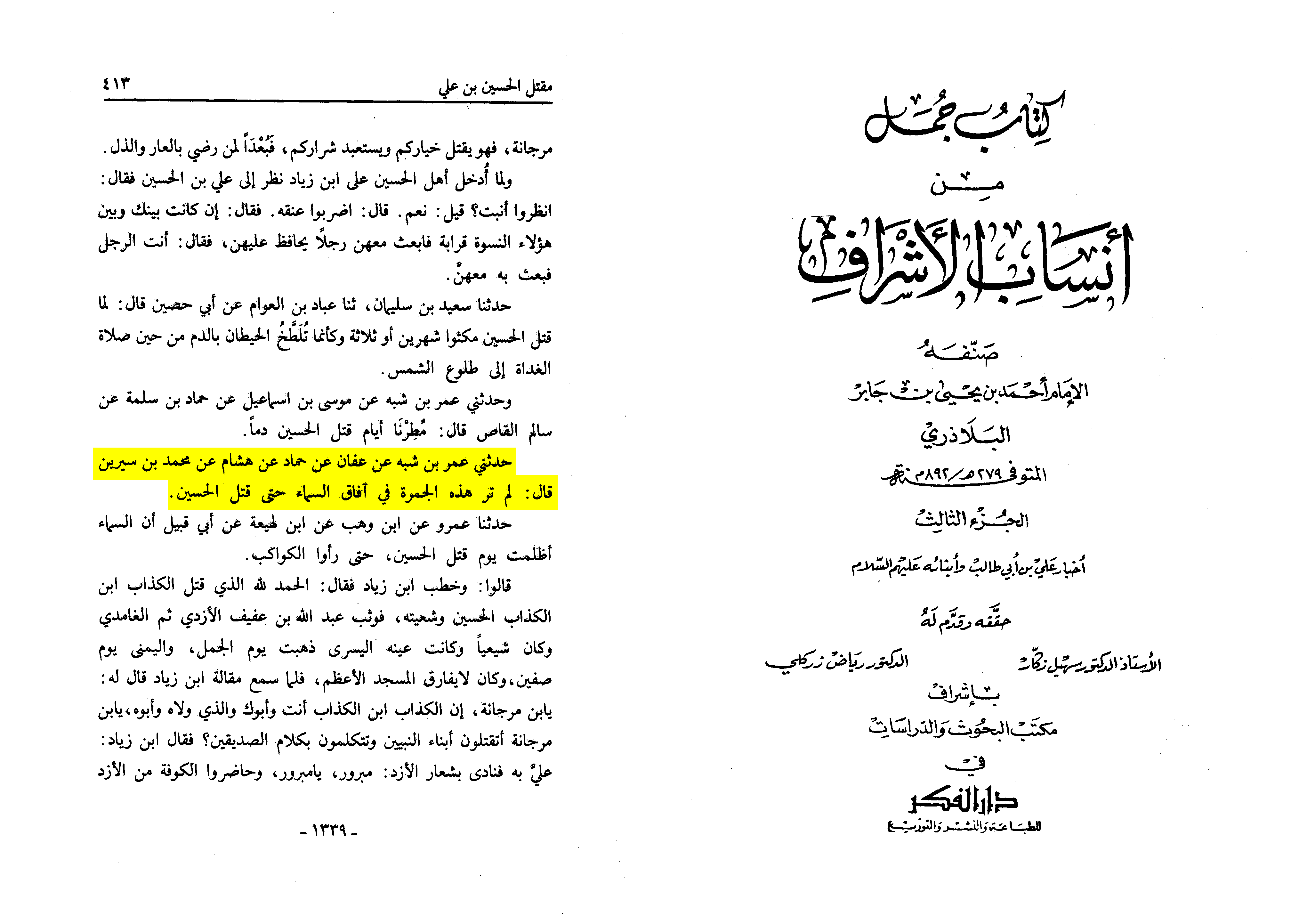
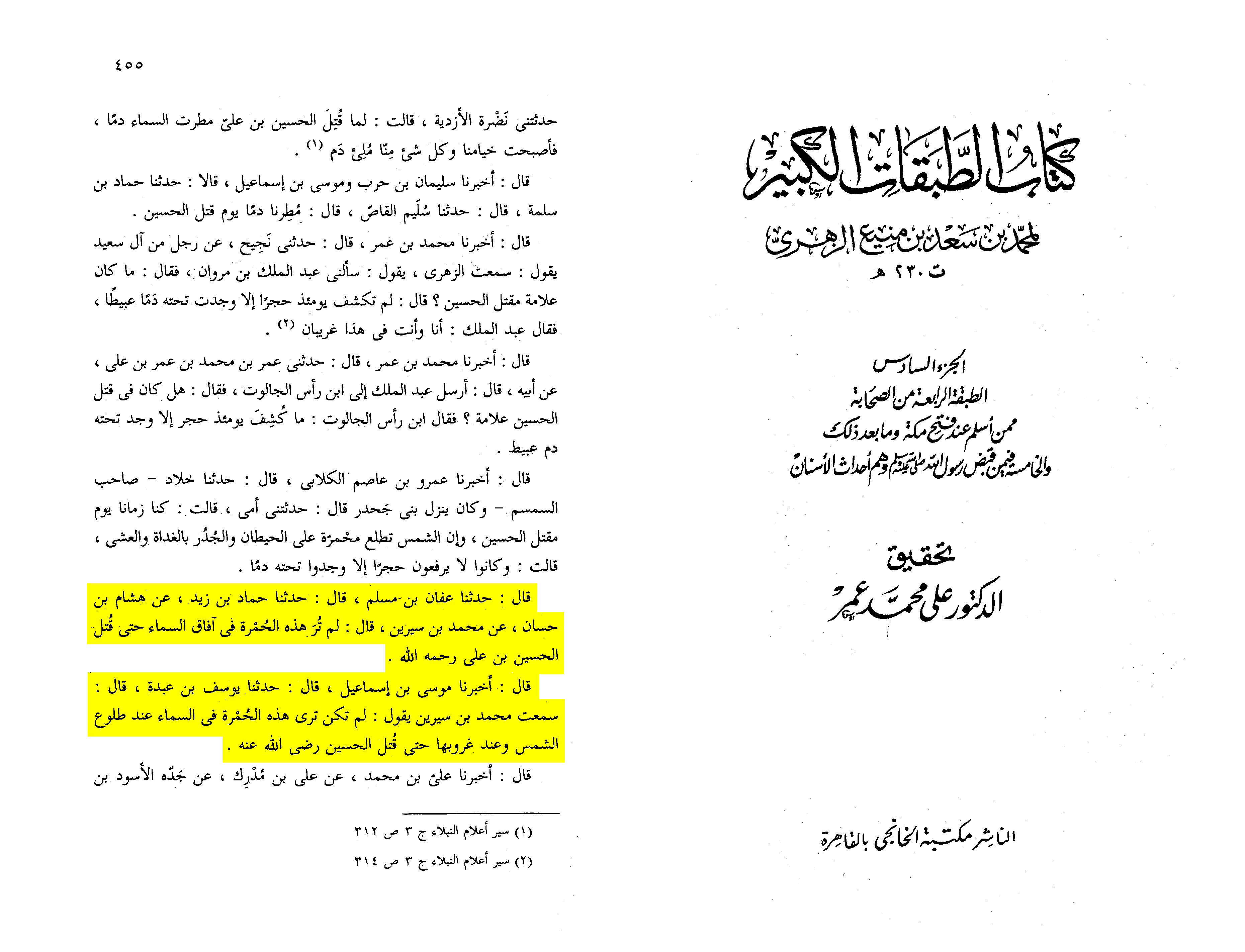
A different narrator from Basra, Ibn Sirin, also claims that the sky had a bright blaze in the horizons after he was killed in Ansab al-Ashraf , Vol. 3, pg. 413 and Tabaqat Ibn Sa’ad, Vol. 6, pg. 455:
Ibn Sirin said: “This red blaze in the sky was never seen on the horizons until al-Ḥusayn was killed.”
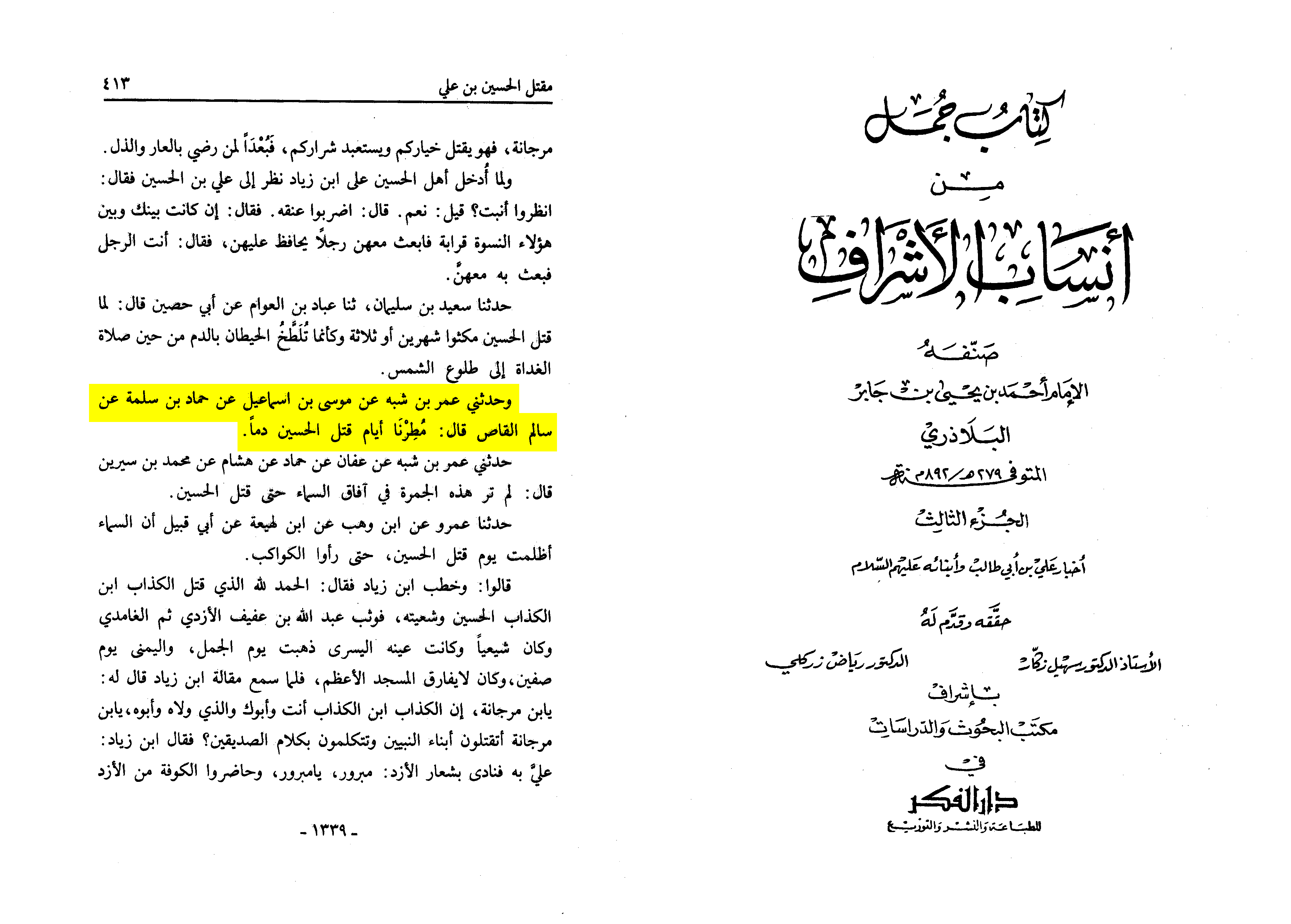
Another Basran witness of this event, was a man by the name of Salim or Sulaym al-Qass. His report can be found in Ansab al-Ashraf Vol. 3, pg. 413 and Tabaqat Ibn Sa'ad Vol. 6, pg. 455 with similar chains:
Salim al-Qass: “We were rained upon with blood in the days when al-Ḥusayn was killed.”
Al-Bukhari quotes this same tradition without a chain in his Tarikh al-Kabir Vol. 5, pg. 181 and so does Ibn Hibban in his Kitab al-Thiqat Vol. 2, pg. 202.
Accounts Recorded in Kufa
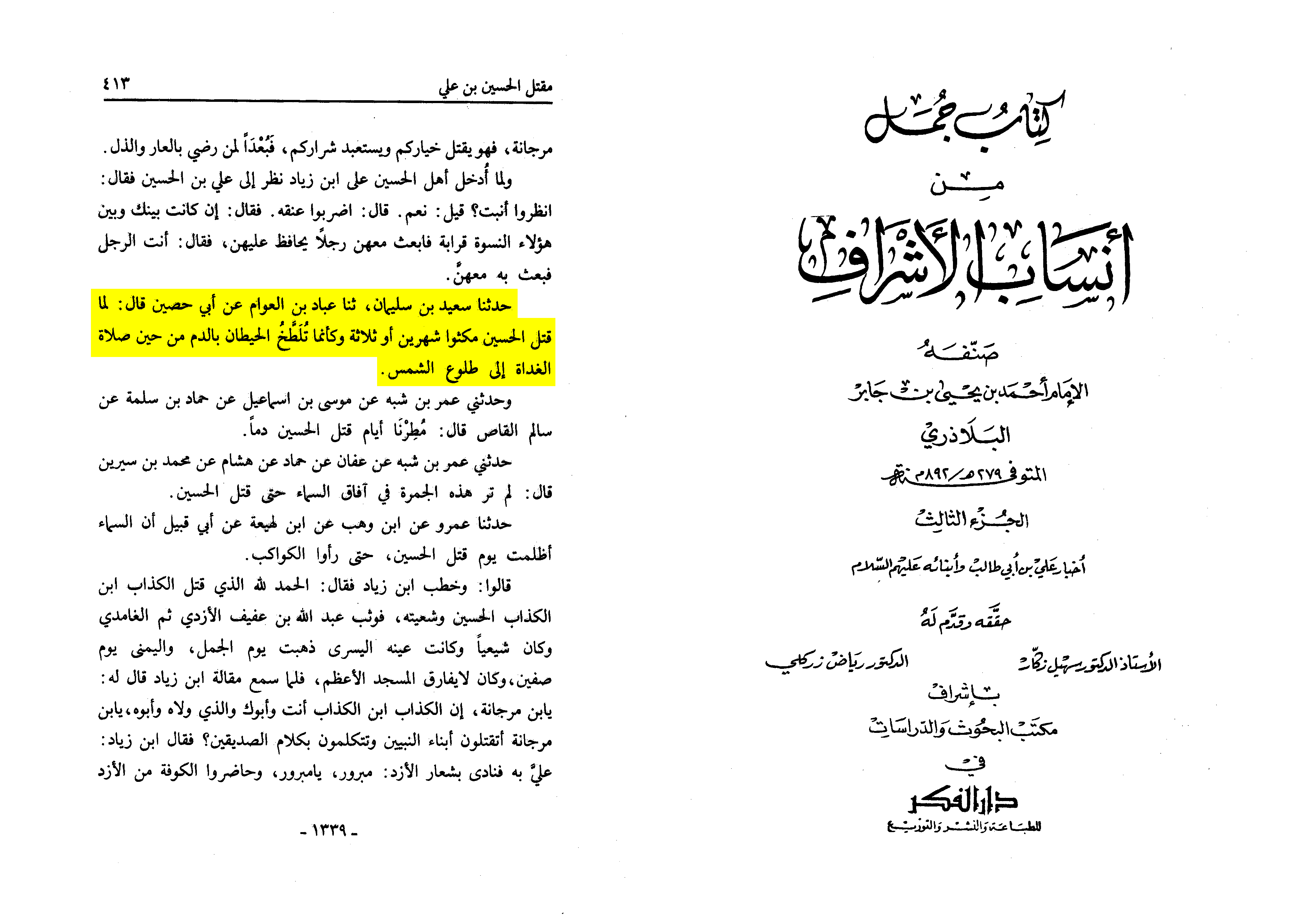
Abu Haseen al-Asadi was a Kufan narrator of Hadith who reports the following in Ansab al-Ashraf, Vol. 3, pg. 413:
Abu Haseen said: “When al-Ḥusayn was killed, for two or three months it was as though the walls were smeared with blood from the time of the morning prayer until the rising of the sun.”
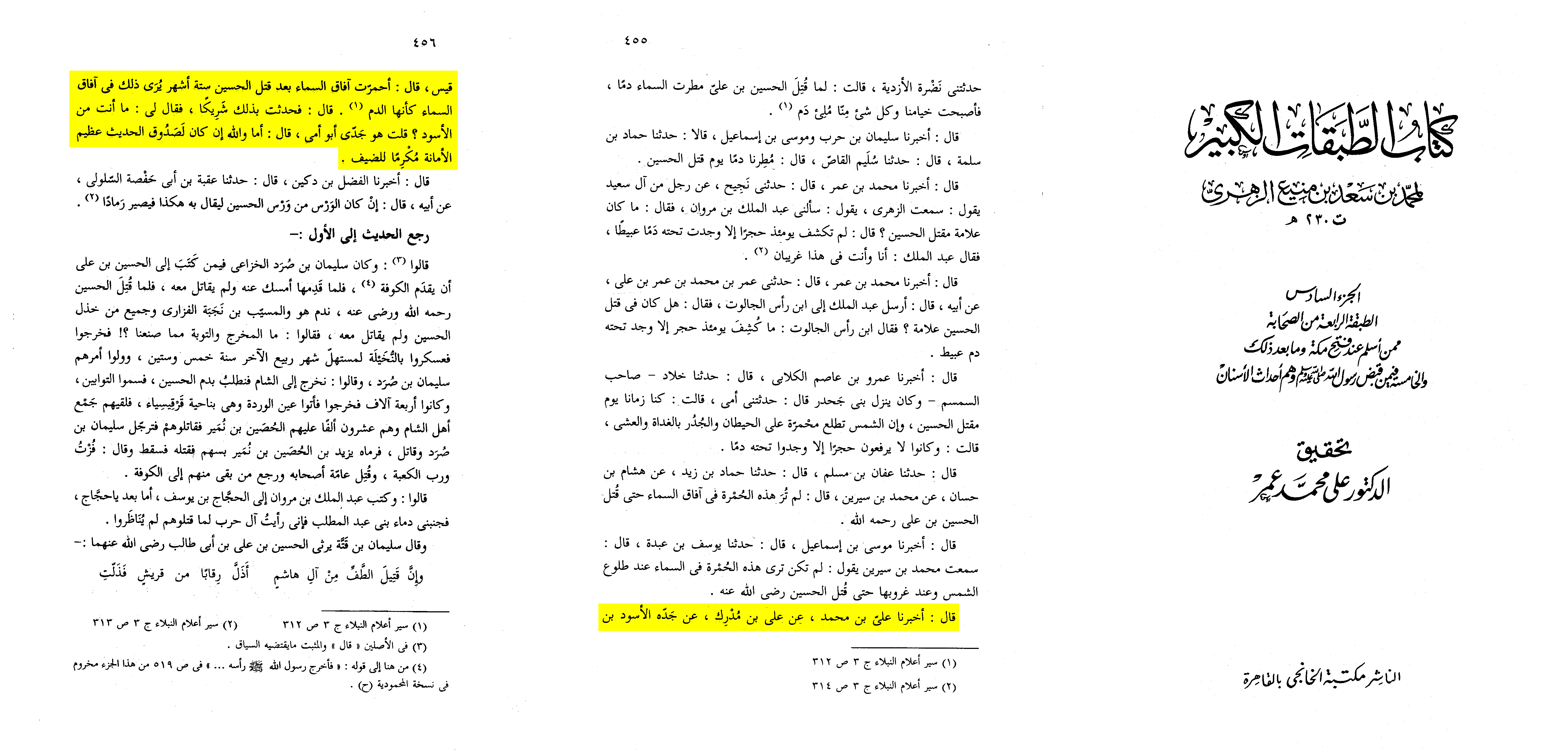
Al-Aswad b. Qays al-Kufi was a companion of Sufyan al-Thawri and narrates in Tabaqat Ibn Sa'ad Vol. 6, pg. 455 - 456:
Al-Aswad said: The horizons of the sky turned red after the killing of al-Ḥusayn, and this was seen in the horizons of the sky for six months, as if it were blood.
He said: I related this to Sharīk, who asked me: What is your relation to al-Aswad? I said: He is my grandfather, the father of my mother. He replied: By Allah, he was indeed truthful in narration, great in trustworthiness, and generous to the guest.
Accounts Recorded in Jerusalem
Al-Zuhri was a famous narrator born in Medina but settled in the Levant early on in his life. In the report it is mentioned that he was in Jerusalem at the time of this incident. His report is found in al-Mu'jam al-Kabir Vol 2, pg. 710, Hadith # 2856:
Zuhri said: Abd al-Malik b. Marwan said to me, “You are the only one who can tell me: what was the sign on the day Husayn b. ‘Ali was killed?”
I said, “Not a single stone was lifted in the House of the Holy Sanctuary (al-Maqdis) without finding blood beneath it.”
Abd al-Malik said, “Indeed, you and I are strangers in this matter.”
Note: It was also recorded with a different chain in Kitab al-Mihan, pg. 138 - 139, and in Shi’i sources, such as Kamil al-Ziyarat, Ch. 24, Hadith # 3 and al-Amali of Saduq, Ch. 31, Hadith # 34.
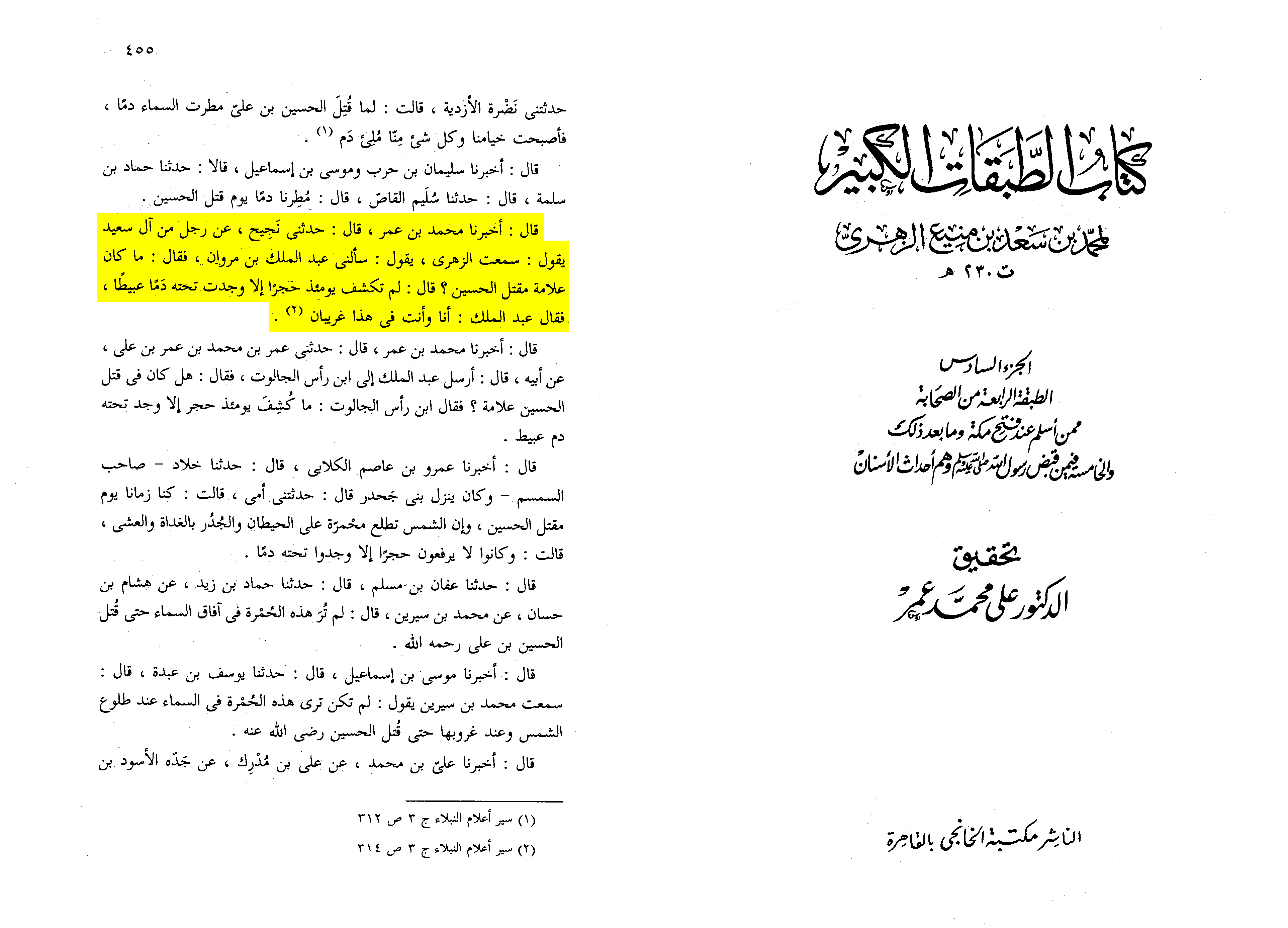
This report was corroborated by another Medinian narrator- Muhammad b. ‘Umar b. ‘Ali b. Abi Talib- who says in Tabaqat Ibn Sa'ad Vol. 6, pg. 455:
Muhammad b. Umar b. Ali: Abd al-Malik sent to Ibn Ras al-Jalut and asked: "Was there any sign in the killing of Husayn?"
Ibn Ras al-Jalut replied: "On that day, no stone was uncovered except that beneath it was found flowing blood."
It is also reported in Shi’a sources such as in Kamil al-Ziyarat with a chain of transmission back to a man from Jerusalem.
Accounts Recorded in Egypt
Hay b. Hani’ b. Nadhir al-Mu’afiri, known as Abu Qabeel (d. 128), was a man who was born in Yemen but settled in Egypt in the later period of his life. He reports in Ansab al-Ashraf Vol. 3, pg. 413:
Abu Qabil: The sky darkened on the day al-Ḥusayn was killed, until the stars were visible.
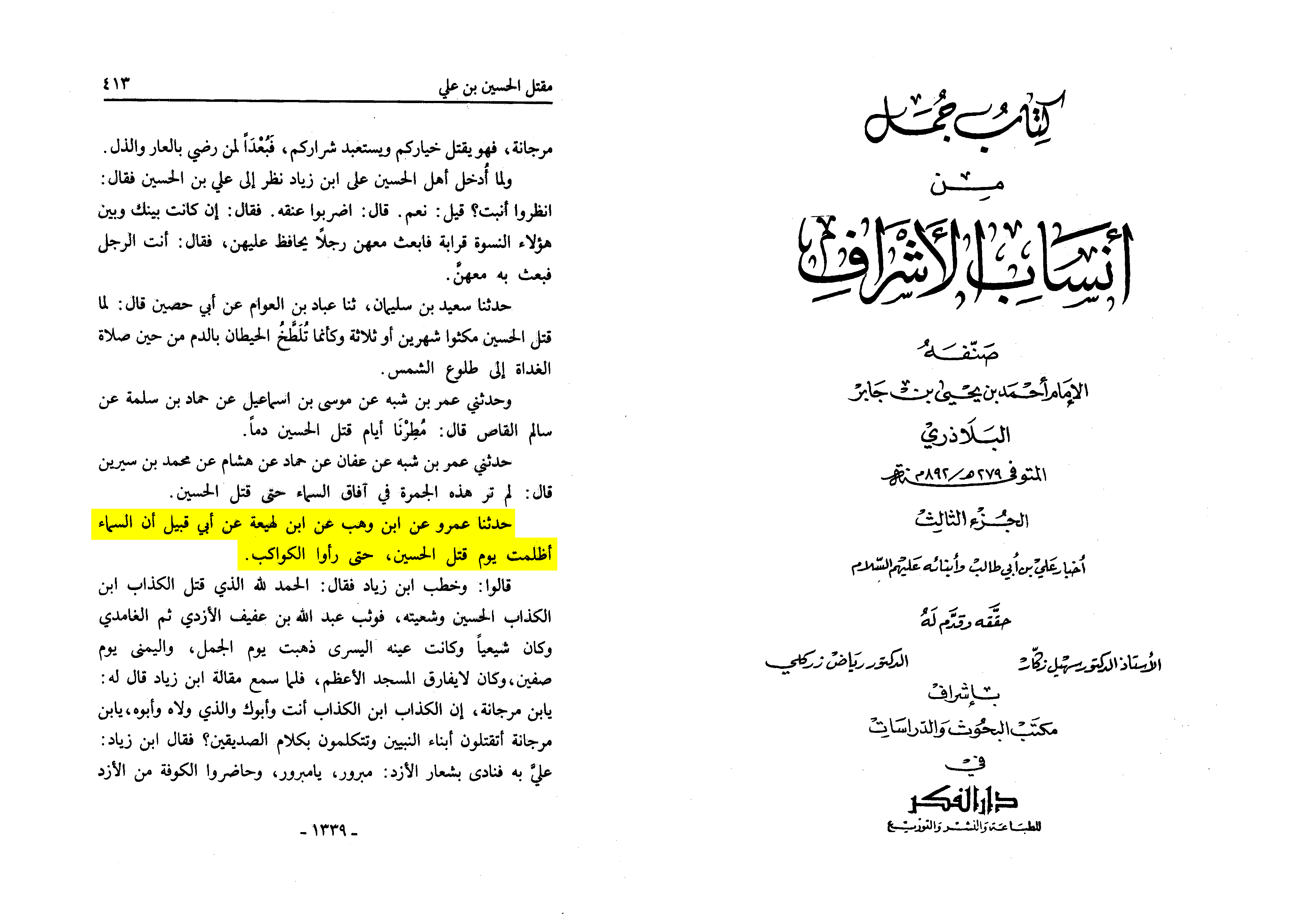
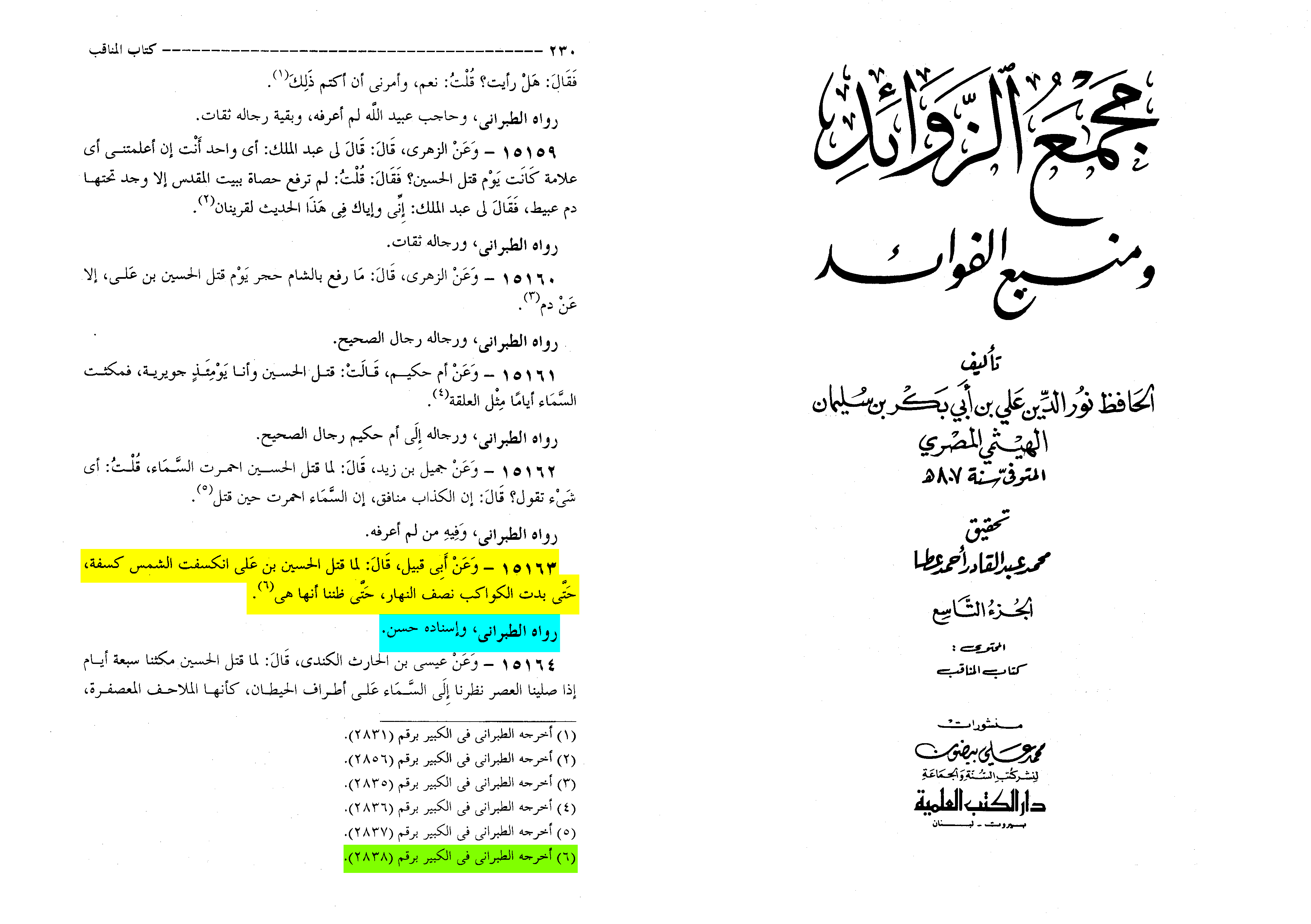
This tradition is also found in al-Mu’jam al-Kabir Vol. 2, pg. 238, Hadith # 2769, and graded Hasan in Majma’ al-Zawa’id Vol 9, pg, 230 Hadith # 15163.
Accounts Recorded in Western Europe
An lesser known source we’d like to show is from the Anglo-Saxon Chronicle, pg. 27 - 28:
In the year 685 (65-66 AH): Here in Britain there was Bloody rain, and milk and butter were turned to blood.
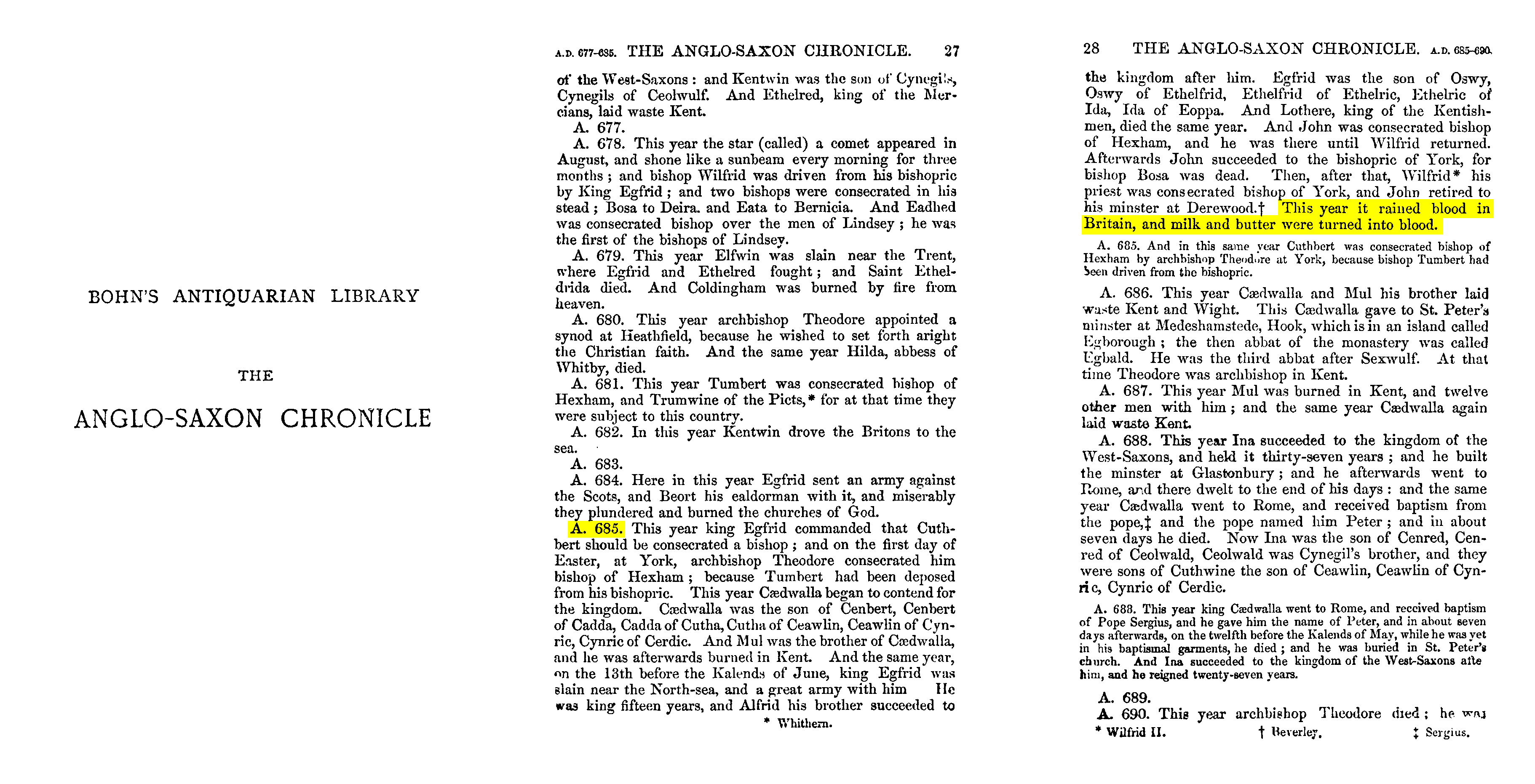
Even though it did not occur exactly on the day al-Husayn (AS) was martyred, this does not change the fact that it is related to his death. The sources we have cited do not indicate that the supernatural events happened within a single day or lasted only for one day after his martyrdom. Rather, these events persisted for a long period, leaving lasting effects.
Thus, given that the event coincided closely with the time of his martyrdom and occurred across the world, it is not unreasonable to consider it as connected, rather than mere coincidence. It is also possible that the dating is slightly inaccurate, differing by around four years, but God knows best.
Accounts Recorded in Japan
In one of the oldest chronicles of Japanese history, Nihongi, Vol. 2, pg. 366 - 367, it reads:
Year 684 CE (64-65 AH): At dusk the seven stars drifted together to the North-east and sank. At sunset a star fell in the quarter of the East as large as a jar. At the hour of the dog the constellations were wholly disordered, and stars fell like rain. During this month there was a star which shot up in the zenith and proceeded along with the Pleiades until the end of the month, when it disappeared.
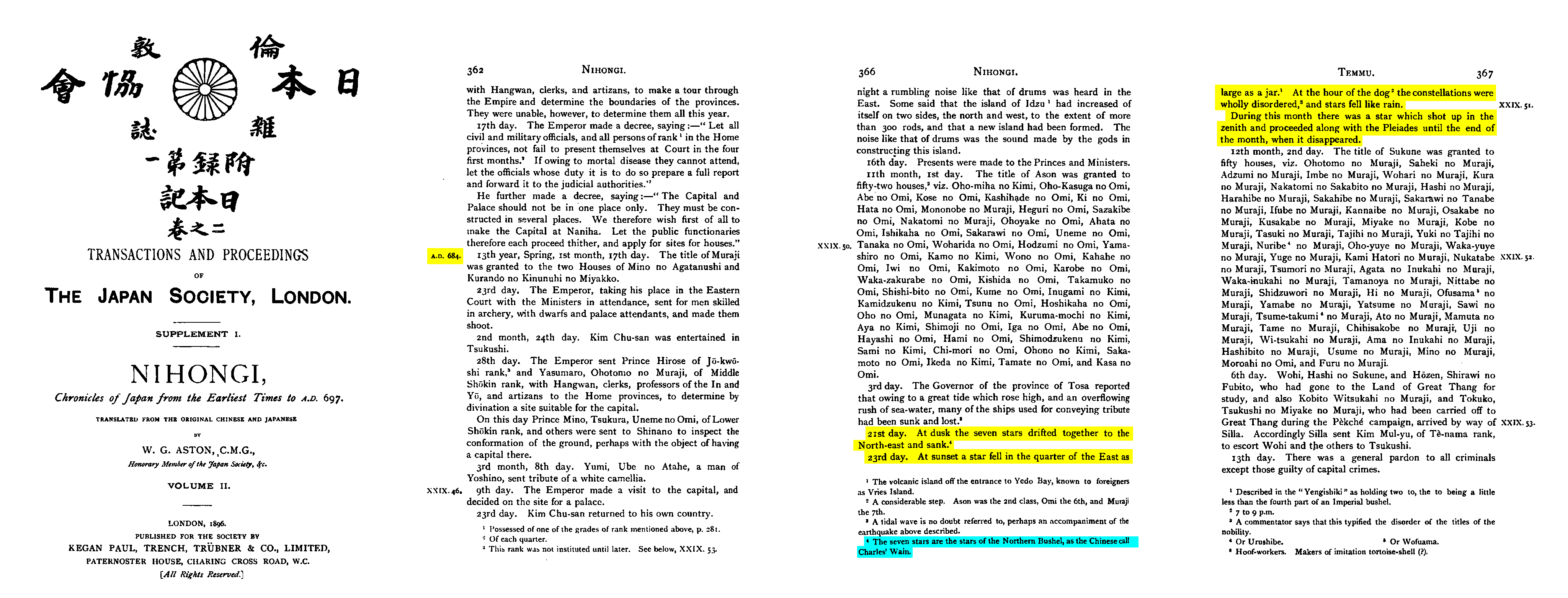
The authors, under the instructions of the Emperor of Japan, Tenmu (d. 686 CE), wrote down strange activities that partook in the skies close to the date of the killing of al-Husayn (AS), similar to the timeline in the Anglo Saxon chronicles (~65 AH).
Instead of blood rain, it records strange activities occurring with the skies of stars colliding and suddenly moving. This is in line with what Muslim historians have noted about the occurrences that happened after the death of al-Husayn (AS), such as al-Suyuti in Tarikh al-Khulafa, pg. 160 & 166:
When Al-Husayn was killed, the world stood still for seven days, and the sun on the walls was like faded cloth. The planets collided with each other. His killing occurred on the day of Ashura, and the sun was eclipsed on that day. The horizons of the sky turned red for six months after his killing, and the redness could still be seen in the sky after that day, which was not seen before.
It is also said that not a single stone in Bayt al-Maqdis (Jerusalem) was overturned that day except that fresh blood was found beneath it. The ashes turned into ashes, and they slaughtered a camel in their camp, and they saw flames in its flesh. They cooked it, and it turned into a scorching coal. And a man who uttered a single word against al-Husayn, Allah struck him with two stars from the sky, and blinded his eyes.
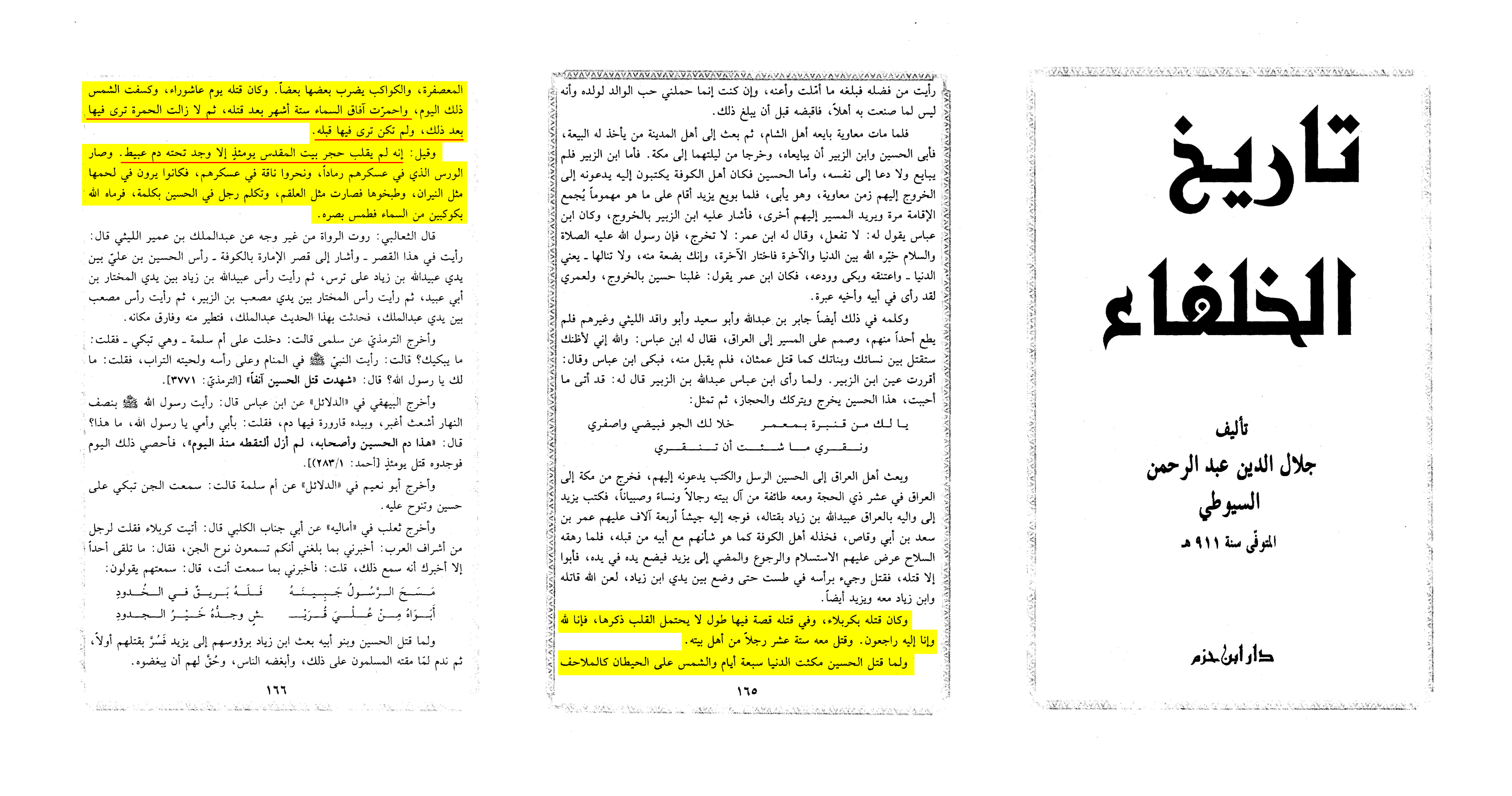
Al-Suyuti also mentions that an solar eclipse took place right after his death, and the Nihongi chronicles also mentions a solar eclipse taking place in the year 680 CE in pg. 348:
Year 680: There was an eclipse of the Sun.
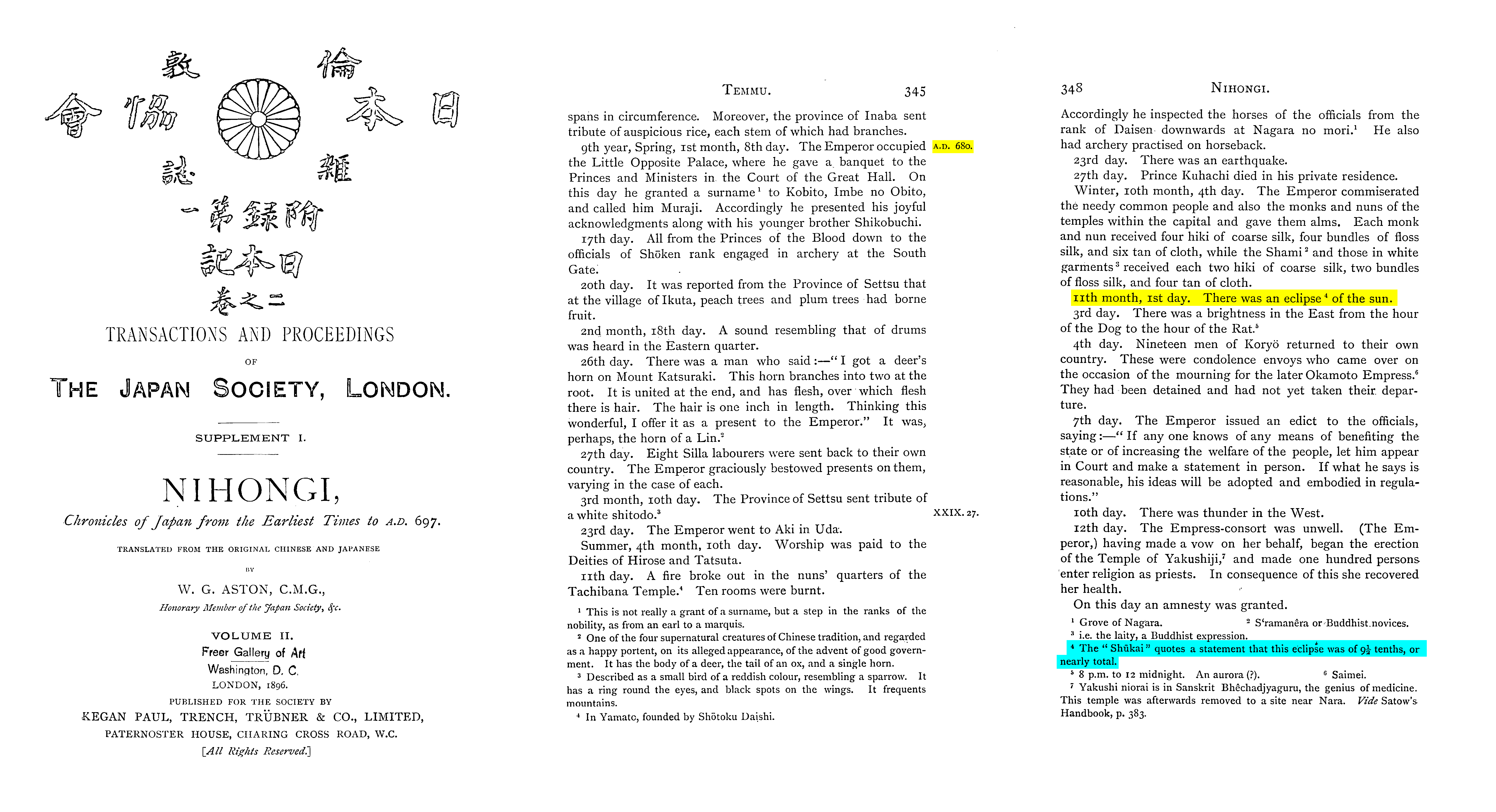
It is evident for this reason that a Solar eclipse took place after the martyrdom of al-Husayn (AS), alongside many more events, all to show the significance of his death.
The Holy Status of Karbala
It is undoubtedly true that in Islam some lands are more sanctified (muqaddas) and blessed (mubarik) than other lands, as the Qur’an testifies to.
For example, regarding Mount Sinai, the Qur’an says it is a muqaddas valley in Surah Taha 20:12. Regarding Mecca, the Qur’an calls it mubarik in Surat Anbiya 21:71. The Qur’an also calls the land of Jerusalem as mubarik later in verse 21:81.
So it is indisputable that some lands have greater virtue than others. It has also been mentioned by numerous Sunni scholars, that the land of Medina is greater than the land of Mecca by virtue of the grave of Rasulullah (SAW) residing within it.
This was mentioned by al-Samhudi in al-Wafa al-Wafa Vol. 1, pg. 32:
Consensus has been established on the superiority of the place that contains the noble limbs (of the Prophet), even over the exalted Ka‘bah. [...] ‘Umar b. al-Khattab, his son ‘Abd Allah, Malik b. Anas, and most of the people of Medina held the preference of Medina. Some expressed it well, saying: the point of disagreement applies only to what is other than the Ka‘bah, for the Ka‘bah is superior to Medina except for that which contains the noble limbs, which is unanimously agreed upon.
The transmission of consensus regarding the superiority of what contains the noble limbs was reported by Qadi ‘Iyad…
...If someone were to say that all places on earth are superior to all places in the heavens, due to the Prophet (SAW) residing therein, it would not be far-fetched. In fact, to me, this is the apparent and definitive view.
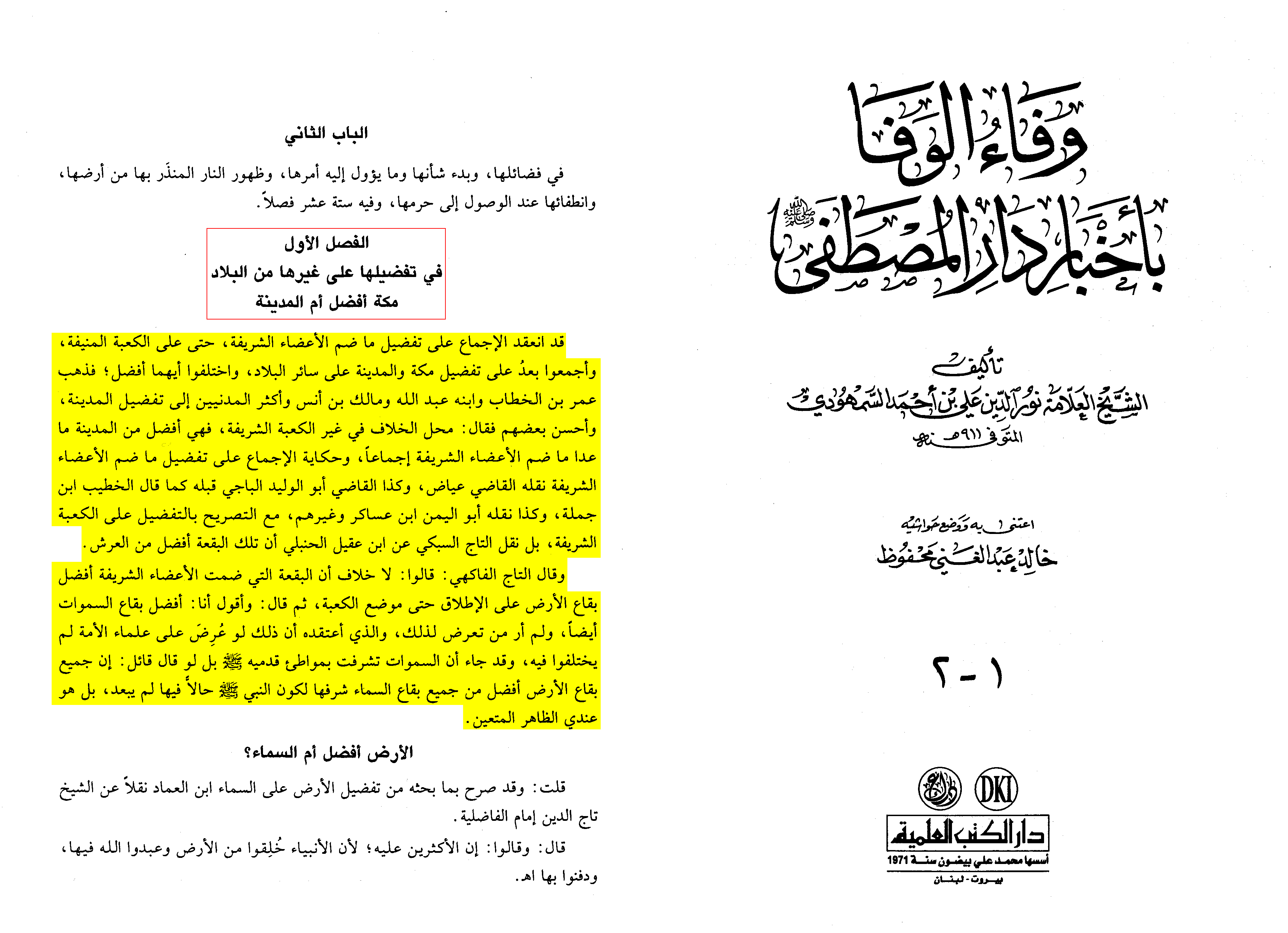
Thus, when the Shi’a claim that the land of Karbala is a blessed and Holy land, it is due to the presence of the Grandson of Rasulullah (SAW) within it.
Secondly, the Prophet (SAW) himself sought to acquire the sand of Karbala- it contained within it the blessings of the body of al-Husayn (AS). We have mentioned these narrations extensively before, which all prove the holiness of this land.
Moreover, the fact that miracles occurred in this land, all substantially attest to the fact it’s a holy land.
Moreover, the land of Karbala has a special virtue, with a hadith recorded that 70,000 from that land will go to heaven unaccounted. This was recorded in al-Mu’jam al-Kabir Vol. 2, pg. 703. Hadith # 2825:
I was with ʿAlī at the banks of Karbalāʾ. He passed by a tree beneath which were droppings of gazelles. He took a handful of it, smelled it, and then said: “Seventy thousand people will be raised from this land. They will enter heaven without their actions of this world being accounted”.
For all these reasons, Karbala is Holy and should be visited, for you would want to be amongst the 70,000 by visiting it and being buried therein.
Some try to object to the holiness of Karbala by claiming it is a land of tribulations. However, it is undisputed that a land can be holy while containing tragic events. This was confirmed by the Sahaba themselves such as Salman al-Farsi (AS) who says in Tarikh Ibn Abi Khaythama Vol. 3, pg. 245, Hadith. # 8132:
Salman said: "Kufa is the dome of Islam and the land of trial."
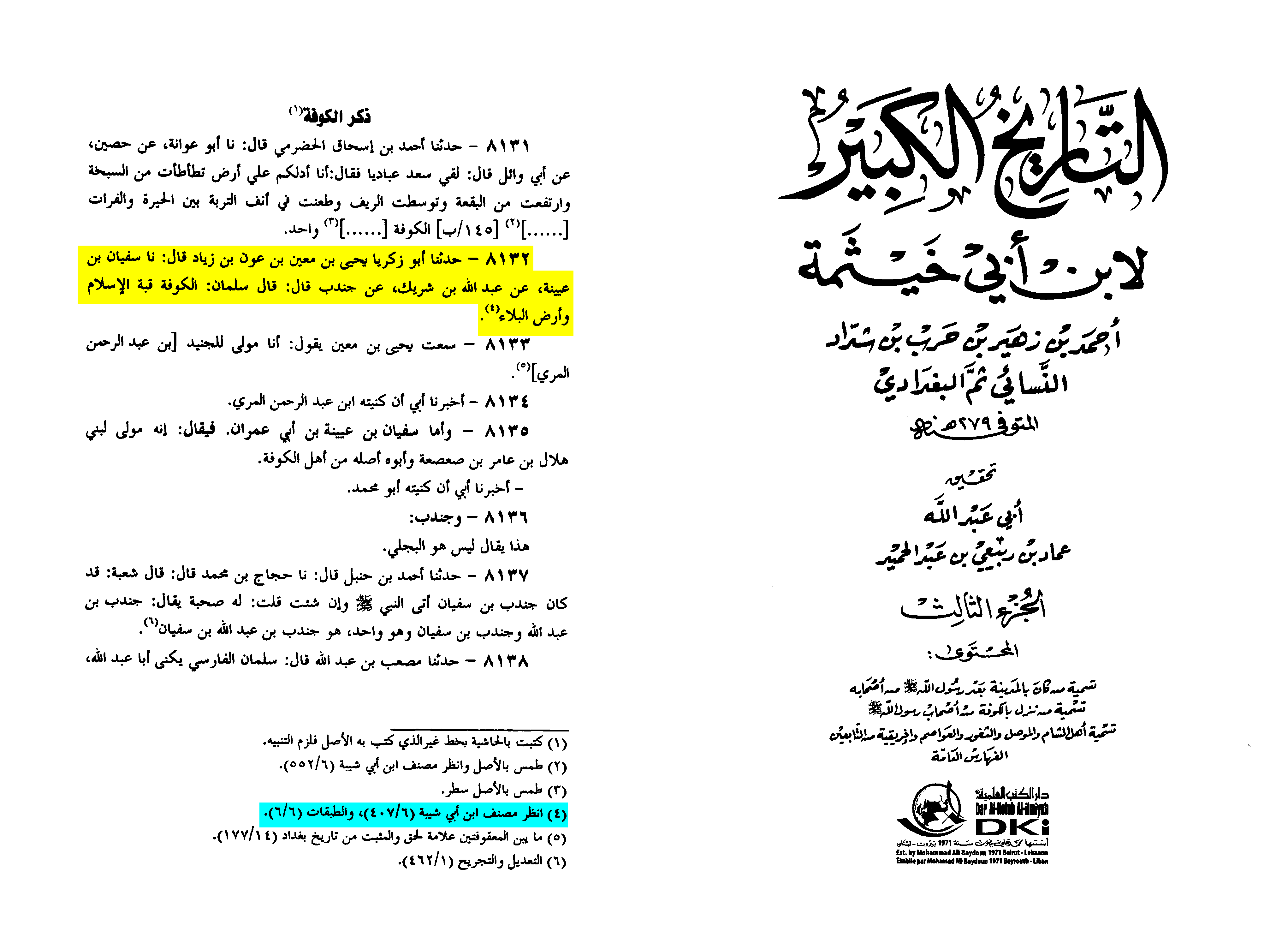
So Kufa is a Holy city in Islam while being a land of trials. This means that Karbala can also be a Holy place in Islam while having trials.
When the Sunnis attack our visitation of the grandson of the Holy Prophet, then they are in fact attacking their own companions who did the same.
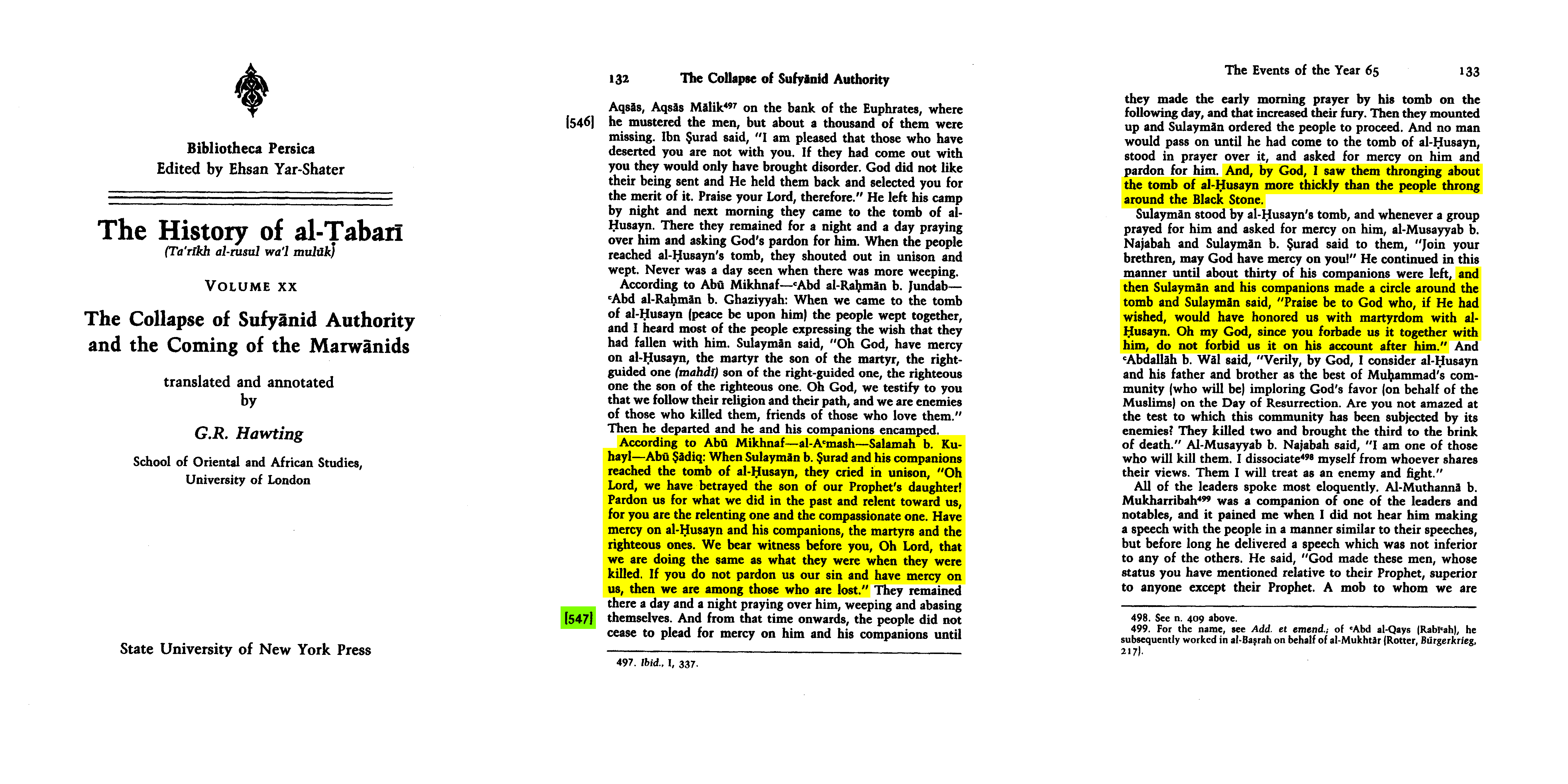
This was recorded in Tarikh al-Tabari, Vol. 20, pg. 132 - 133.
When Sulayman b. Surad and his companions reached the tomb of al Husayn, they cried in unison, "Oh Lord, we have betrayed the son of our Prophet's daughter! Pardon us for what we did in the past and relent toward us, for you are the relenting one and the compassionate one. Have mercy on al Husayn and his companions, the martyrs and the righteous ones. We bear witness before you, Oh Lord, that we are doing the same as what they were when they were killed. If you do not pardon us our sin and have mercy on us, then we are among those who are lost."
... And, by God, I saw them thronging about the tomb of al Husayn more thickly than the people throng around the Black Stone.
… And then Sulayman and his companions made a circle around the tomb and Sulayman said, "Praise be to God who, if He had wished, would have honored us with martyrdom with al Husayn. Oh my God, since you forbade us it together with him, do not forbid us it on his account after him."
« Full Series: Karbala: Between Secrets & Lights »


Comments